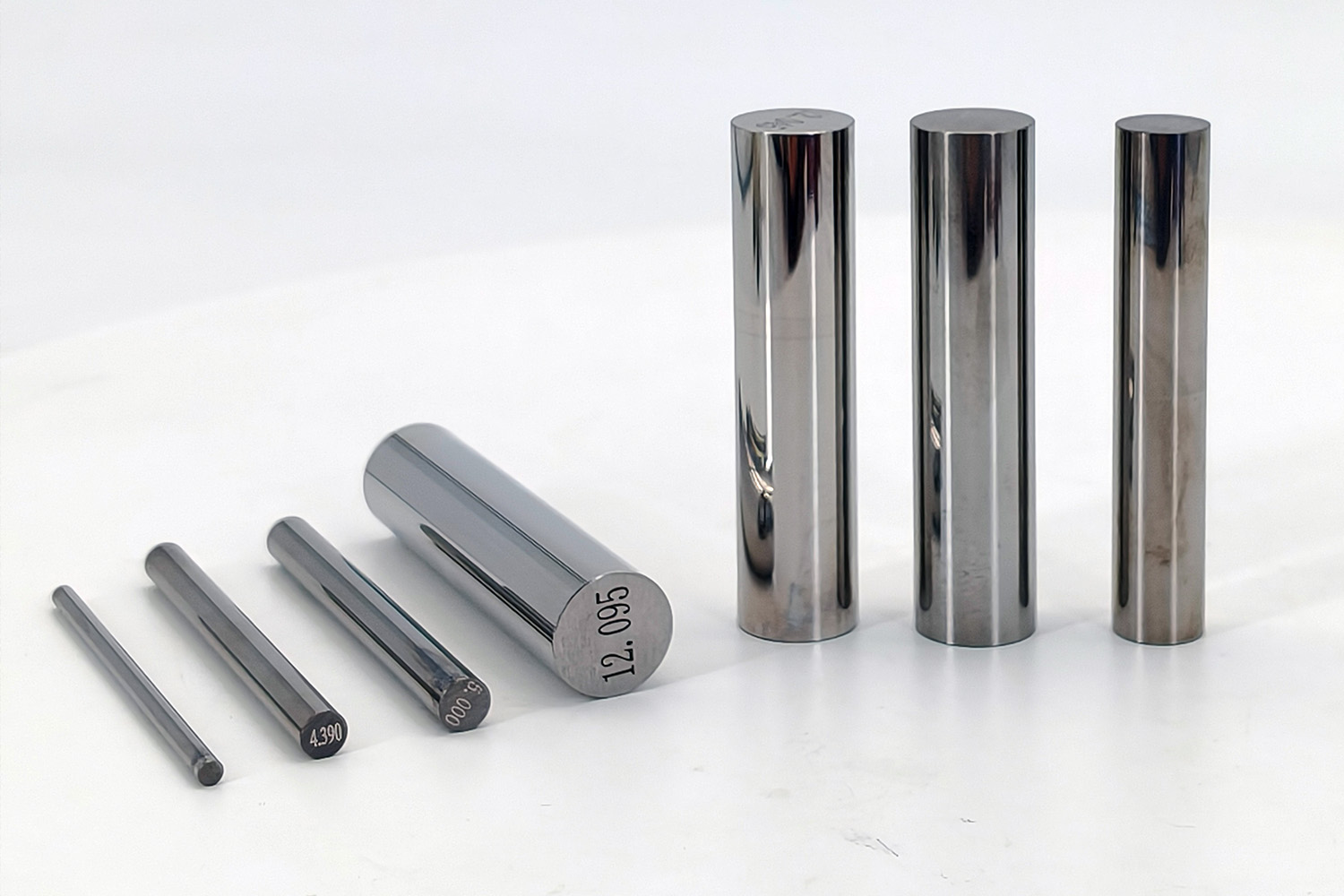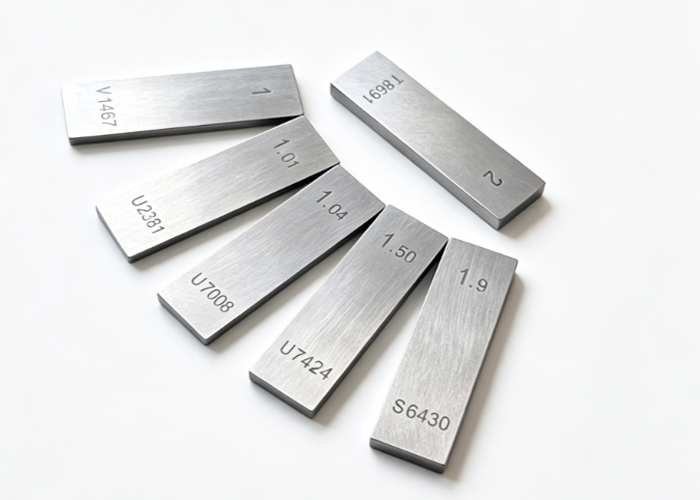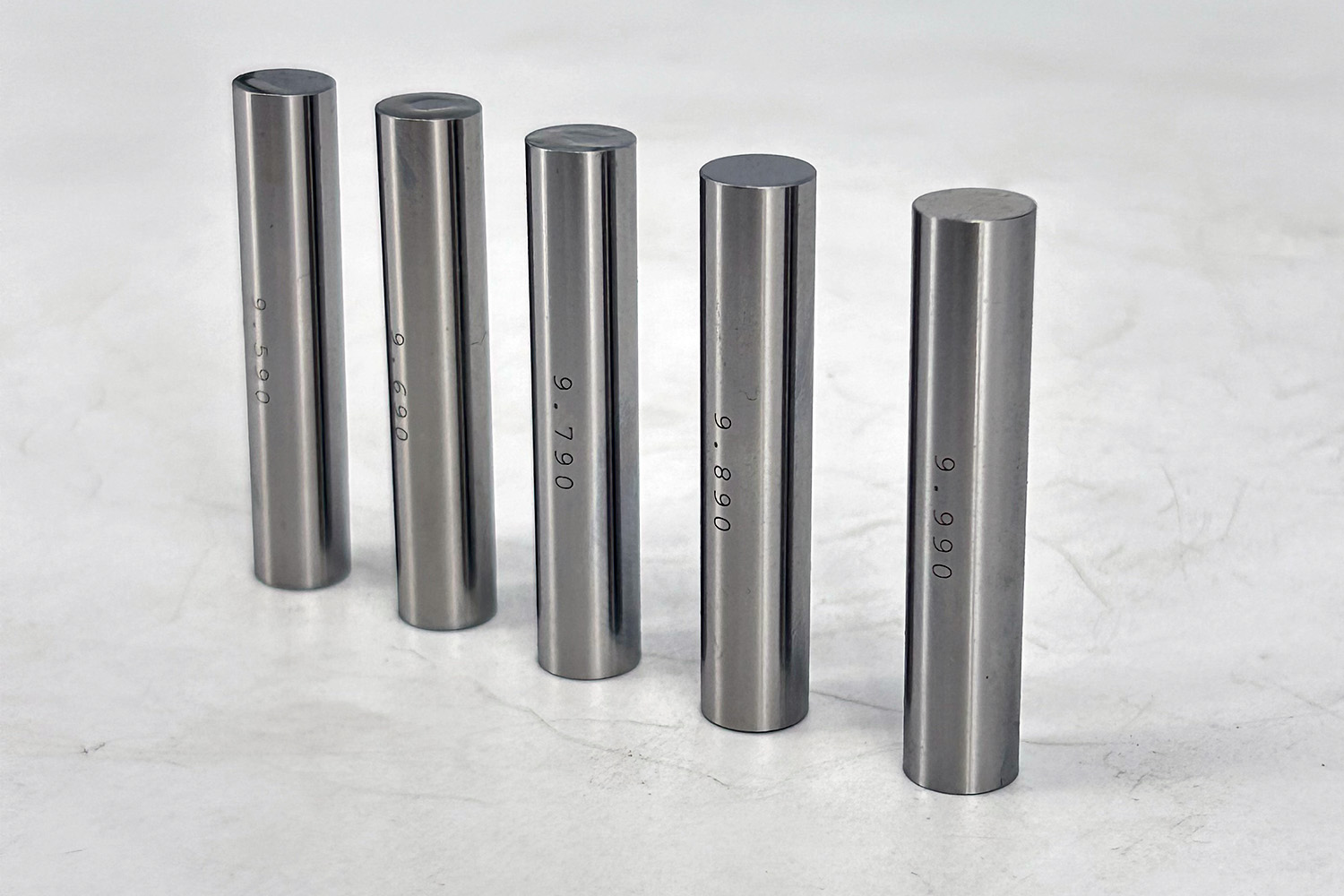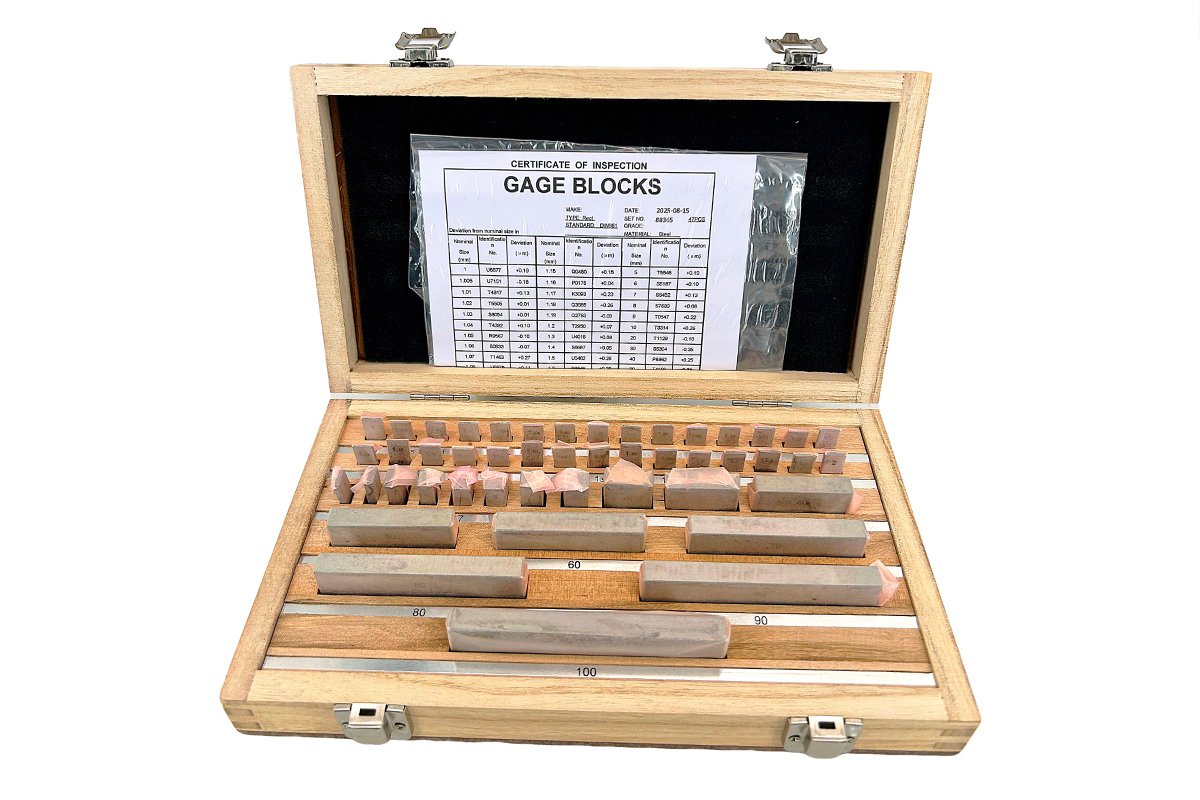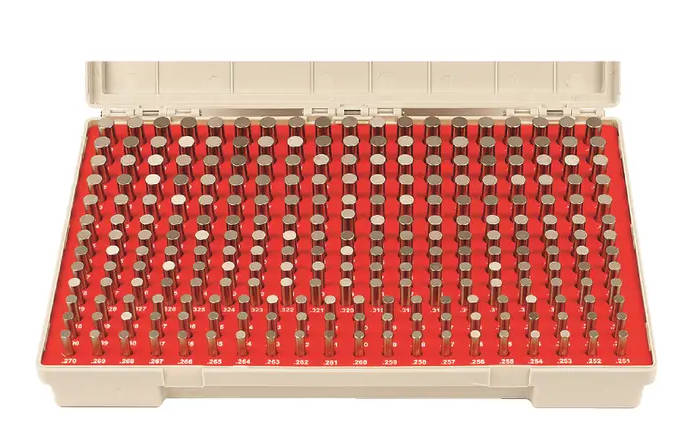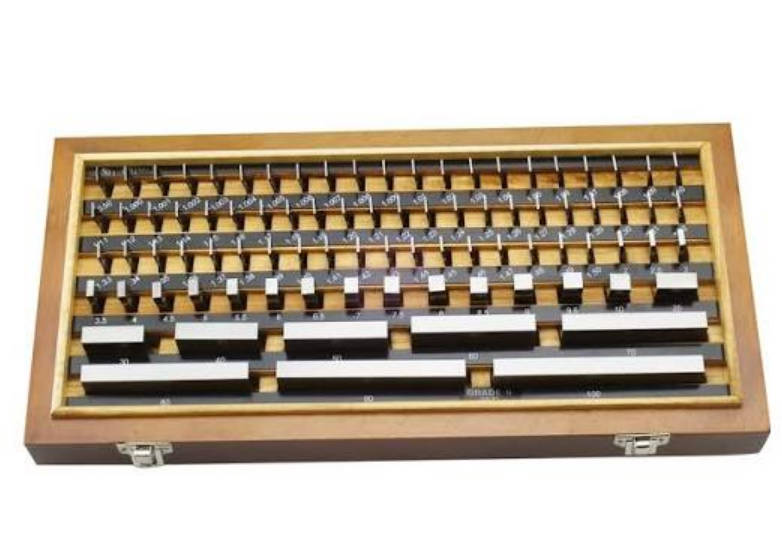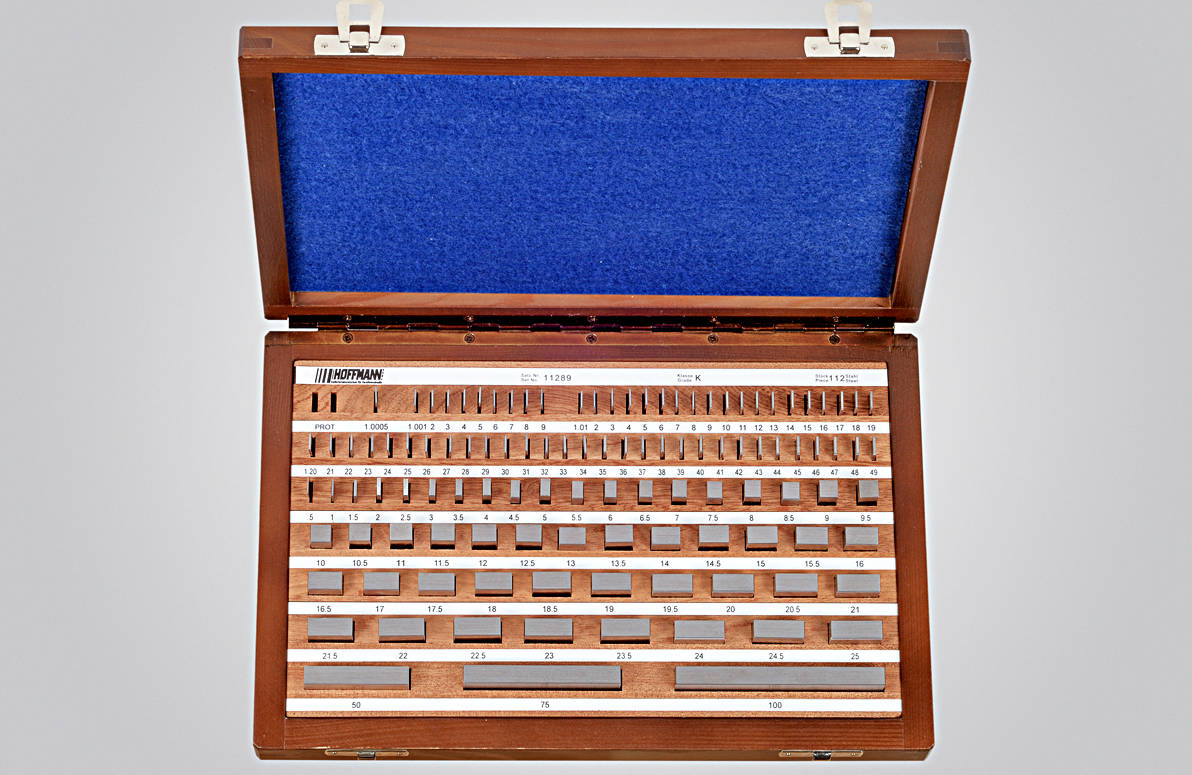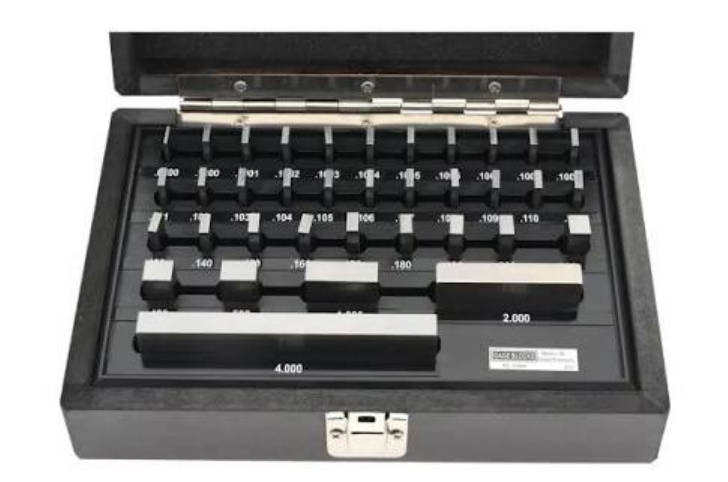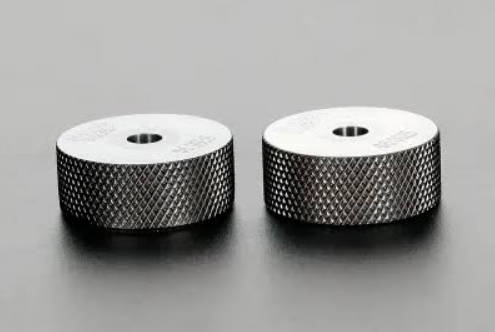
Choosing the right gauge blocks material comparison comes down to a fundamental balance between initial acquisition cost, wear resistance under continuous friction, thermal behavior on the shop floor, and maintenance labor.
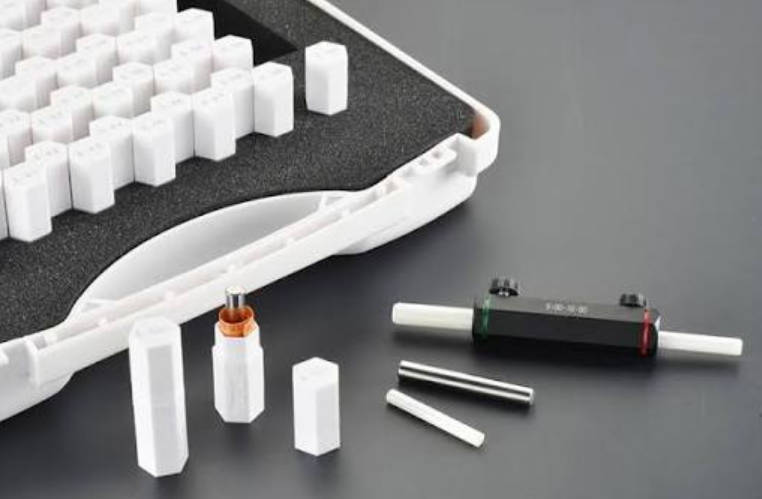
Standard alloy steel remains the baseline industry choice because its thermal expansion matches carbon steel and cast iron parts, yet it demands strict anti-rust procedures. Tungsten carbide delivers exceptional surface hardness and wear resistance, making it the preferred choice for high-cycle inspections where tools continuously contact the reference faces. Ceramic (zirconia-based) gauge blocks eliminate corrosion risks entirely, resist micro-burrs from incidental contact, and provide superior thermal insulation during manual handling.
This guide evaluates how tungsten carbide, ceramic, and steel gauge blocks perform across mechanical, thermal, and operational dimensions to help machine shops, calibration labs, and quality assurance teams select the most cost-effective standard for their precision operations.
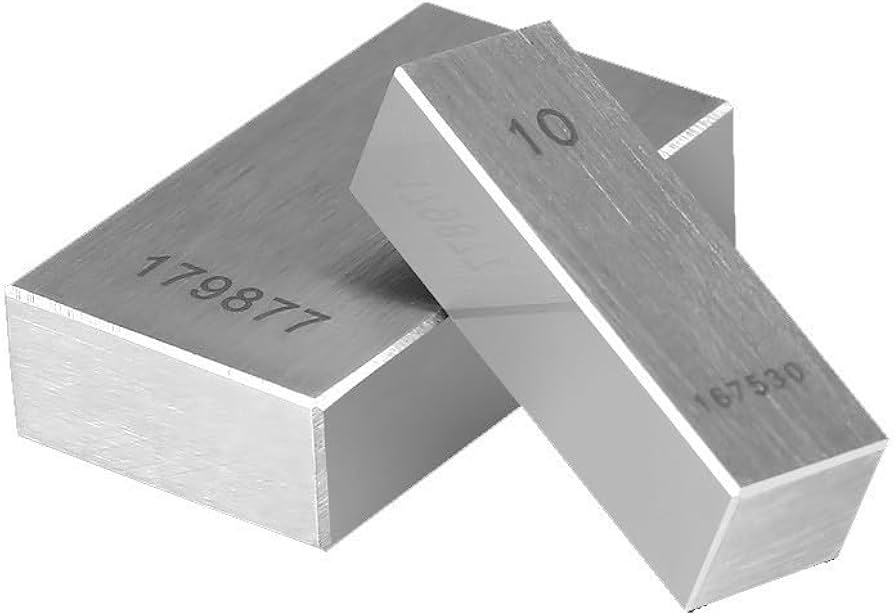
At a Glance: Steel vs. Carbide vs. Ceramic for Modern Machine Shops
For quick evaluation, the three materials serve distinct operational roles across industrial environments. Machine shops rarely rely on a single material across every department; instead, they align the material’s physical strengths with the specific risks of the work area.
| Material Type | Primary Advantage | Main Limitation | Best Shop Floor Use Case |
| Alloy Steel | Matched CTE with ferrous metals; lowest initial cost | Vulnerable to corrosion; raises burrs when nicked | General machining inspection, toolroom setups with controlled storage |
| Tungsten Carbide | Outstanding wear resistance (up to 10× steel); high rigidity | High mass/weight; premium initial purchase cost | High-frequency micrometer/caliper calibration; dedicated wear blocks |
| Ceramic (Zirconia) | Complete corrosion immunity; scratch-resistant; low thermal drift from handling | Brittle under heavy direct impact; thermal mismatch with steel workpieces | Wet grinding areas, coordinate measuring machine (CMM) labs, clean inspection rooms |
Material Performance Breakdown: Wear, Thermal Stability, and Corrosion
Selecting the right gauge block set requires understanding how physical properties dictate performance during wringing, measuring, and handling outside a climate-controlled inspection room.
Hardness and Wear Resistance
Gauge blocks lose calibration accuracy primarily through progressive abrasive wear during wringing and contact with measuring anvils.
Tungsten carbide features exceptional surface hardness (typically exceeding 1400–1500 HV). It resists the abrasive micro-particles common in toolrooms, allowing it to retain reference dimensions through thousands of contact cycles.
Ceramic blocks, composed of partially stabilized zirconia (PSZ), offer high surface density and hardness (often 1200–1400 HV). They glide smoothly against one another with minimal material transfer.
Alloy tool steel generally measures around 800 HV (approx. 64–66 HRC). While sufficiently durable for intermittent checks, continuous contact against carbide-tipped micrometers causes steel blocks to wear down toward lower tolerance limits significantly faster than carbide or ceramic.
Coefficient of Thermal Expansion (CTE) and Temperature Dynamics
Reference calibrations occur at the international standard temperature of 20°C (68°F). In a production machine shop, ambient temperatures fluctuate, making thermal expansion a critical variable:
Steel has a coefficient of thermal expansion of approximately 11.5 × 10⁻⁶ / K. Because this closely mirrors structural steels and cast iron, dimensional shifts due to shop warming occur at approximately the same rate in both the gauge block and the workpiece. This minimizes differential thermal error during in-process machining inspections.
Tungsten carbide expands at roughly 4.5 to 5.0 × 10⁻⁶ / K—less than half the rate of steel. While dimensionally stable, using carbide blocks to measure large steel components in an uncontrolled environment requires manual temperature compensation formulas.
Ceramic blocks exhibit an intermediate expansion rate, roughly 9.5 to 10.0 × 10⁻⁶ / K, which sits close to steel while providing low thermal conductivity. When a technician holds a ceramic block, body heat transfers into the material slowly, preventing the rapid localized dimensional expansion common with handheld steel blocks.
Corrosion Resistance and Surface Damage Mechanics
Corrosion alters block surface topography and destroys wringing capability:
Steel demands religious degreasing before use and re-coating with non-acidic protective oil or petroleum jelly after use. Fingerprints leave acidic moisture that can cause pitting within hours if left unprotected. When steel suffers an accidental knock, the ductile material deforms outward, creating a raised burr that prevents flat wringing until stoned with an Arkansas stone.
Ceramic cannot oxidize, rust, or corrode, even in environments with water-soluble coolants or high atmospheric humidity. Furthermore, ceramic is non-ductile; an incidental scratch does not push up a raised metal lip or burr. The surface simply chips micro-cleanly, allowing the remaining flat surface to wring accurately without requiring deburring stones.
Tungsten carbide is naturally corrosion-resistant under ordinary shop atmospheres, though it must be kept free of harsh acids. It resists nicking and scratching under normal handling conditions.
Detailed Material Profiles: What to Expect on the Floor
1. Steel Gauge Blocks: The Cost-Effective Standard with CTE Matching
Alloy steel gauge blocks represent the traditional foundation of dimensional metrology. They remain widely utilized because they deliver certified calibration grade accuracy at an accessible entry price.
Practical Advantages:
Ideal thermal tracking when checking turned, milled, or ground steel parts without waiting for temperature normalization.
Strong magnetic attraction, useful when securing blocks to magnetic chucks or fixtures during specialized comparative setups.
Readily available in a wide selection of standard imperial and metric block counts.
Operational Drawbacks:
High maintenance overhead: technicians must allocate daily labor to clean, dry, and coat blocks with rust preventatives.
Vulnerability to burring: any drop or sharp contact raises edges that destroy wringing flatness and scratch adjoining blocks.
2. Tungsten Carbide Gauge Blocks: Maximum Wear Resistance for High-Cycle Inspection
Tungsten carbide gauge blocks are built for high-wear environments where dimensional drift leads to costly production scrap.
Practical Advantages:
Exceptional operational lifespan, often lasting up to 10 times longer than standard steel under equivalent abrasive conditions.
Outstanding wringing adhesion: the fine micro-structure and extreme stiffness allow firm, reliable wringing stacks.
Superb edge retention that resists rounded corners from repeated insertion into measuring fixtures.
Operational Drawbacks:
Substantially heavier than steel or ceramic, which can make handling large multi-block stacks cumbersome.
Higher initial procurement investment compared to steel sets.
Requires temperature compensation when auditing long steel components outside nominal 20°C environments.
3. Ceramic Gauge Blocks (Zirconia): Zero Corrosion and Superior Handling Stability
Zirconia-based ceramic gauge blocks represent a modern approach designed to mitigate shop floor contamination and environmental degradation.
Practical Advantages:
Zero oiling required: blocks can be picked up, wrung, and stored dry without anti-corrosion treatments, saving significant maintenance labor.
Chemical inertness: impervious to contact with shop coolants, cutting fluids, and human perspiration.
Burr-free durability: accidental strikes do not form raised ridges, protecting the rest of your set during wringing.
Extended calibration stability: ceramic materials do not undergo the secular dimensional creep (micro-structural aging) that untreated steels occasionally experience.
Operational Drawbacks:
Vulnerability to catastrophic fracture or sharp edge chipping if dropped directly onto hard concrete shop floors.
Lack of magnetic properties, preventing direct mounting onto magnetic bases without auxiliary mechanical clamps.
Selection Framework: Matching Gauge Block Material to Your Environment
Selecting the optimal material requires reviewing working conditions, operator habits, and inspection frequencies. The table below maps your primary operating environment and risk profile directly to the recommended gauge block material:
| Primary Usage Area | Critical Condition / Primary Risk | Recommended Material | Core Technical Rationale | Operational & Handling Advice |
| Shop Floor / In-Line | Coolant, Cutting Fluids & High Humidity | Ceramic (Zirconia) | 100% Corrosion Immunity: Impervious to water-soluble coolants, moisture, and acidic fingerprints without surface pitting. | Eliminates daily degreasing and re-oiling cycles; accidental scratches will not raise burrs that scratch mating blocks. |
| Shop Floor / In-Line | High-Frequency Abrasive Wear | Tungsten Carbide | Maximum Hardness & Rigidity: Resists constant friction and micro-scratches from caliper jaws and micrometer anvils. | Delivers up to 5–10× the service life of steel; ideally deployed as outer wear blocks to protect core stack combinations. |
| Calibration Lab / CMM | Master Reference & Manual Handling | Ceramic (Zirconia) | Low Thermal Drift & Zero Micro-Aging: Low thermal conductivity isolates body heat during manual wringing and alignment. | Best deployed as Grade 0 or Grade K master standards; avoid impacts against bare concrete surfaces. |
| Calibration Lab / Toolroom | Routine High-Volume Tool Calibration | Tungsten Carbide | Dimensional Retention Across High Cycles: Maintains certified nominal length through thousands of contact cycles. | Lengthens recalibration intervals; verify differential thermal expansion when measuring large steel components away from 20°C. |
Practical Deployment Scenarios
Machining Cells with Heavy Coolant Exposure: In turning, milling, and grinding cells where operators inspect wet parts, ceramic gauge blocks eliminate corrosion damage caused by missed cleaning cycles before shift handoffs.
Dedicated Tool Crib Setting Stations: For benches setting mechanical micrometers, bore gauges, and vernier calipers dozens of times per shift, tungsten carbide prevents premature undersizing caused by anvil friction.
The Hybrid “Wear Block” Strategy: To optimize capital budgets without compromising tool life:
Procure a standard steel gauge block set for core stacking combinations.
Procure a pair of dedicated tungsten carbide or ceramic wear blocks (typically 1 mm, 2 mm, or 0.050 in / 0.100 in thick).
Sandwich the assembly so the durable wear blocks contact the measuring anvils, protecting the internal steel blocks from wear while keeping initial costs low.
Total Cost of Ownership: Initial Purchase vs. Lifetime Maintenance
Evaluating the economics of gauge block sets requires reviewing the total cost of ownership across years of service rather than comparing purchase orders alone.
Routine Maintenance Labor: A steel set demands 3 to 5 minutes of degreasing before an inspection run and thorough re-oiling prior to storage. Across daily shop use, this routine equates to dozens of non-productive technician hours annually. Ceramic sets eliminate this step completely.
Recalibration and Replacement Frequency: High-wear steel blocks exposed to daily toolroom activity often fall out of Grade 1 or Grade 2 tolerance during annual audits, necessitating early replacement or continuous downgrading to reference-only shop tools. Carbide and ceramic blocks maintain surface parallelism and nominal length across significantly longer calibration intervals.
Production Integrity Risk: The hidden cost of gauge block wear is the risk of producing out-of-spec components. When a reference block wears undersized, parts are machined oversized, resulting in rejected production lots and disputed assembly tolerances.
Technical Considerations for Complex Toolroom Operations
Maintaining precision standards is critical across advanced manufacturing sectors, from precision mold fabrication to specialized industrial equipment assembly. In heavy manufacturing environments—such as plants operating complex rotating systems, tooling stations, or a planetary cable machine—dimensional verification of shafts, bearing housings, and guides depends on stable references.
Whether calibrating workshop micrometers or setting coordinate measuring machines to inspect custom machine components, matching the gauge block’s material characteristics to the thermal and abrasive demands of the facility prevents compounding dimensional errors across manufacturing operations.
Key Takeaways
Steel remains the industry baseline for general metalworking because its thermal expansion coefficient matches carbon steels and cast irons, minimizing ambient temperature errors during shop floor use.
Tungsten carbide provides unmatched hardness and wear resistance, making it the most cost-effective material for high-frequency measuring tool calibration and external wear block roles.
Ceramic (zirconia) eliminates rust risks, requires zero protective oiling, resists burr formation from scratches, and minimizes thermal transfer from operator handling.
The Hybrid Approach—sandwiching steel sets between tungsten carbide or ceramic wear blocks—protects capital budgets while extending the working lifespan of the reference set.
Frequently Asked Questions (FAQ)
Can I wring steel, ceramic, and tungsten carbide gauge blocks together?
Yes. Gauge blocks made of steel, ceramic, and tungsten carbide can be wrung together in the same stack, provided all mating faces are thoroughly cleaned, free of burrs, and lightly lubricated with a microscopic film of calibration oil. Ensure the stack is disassembled promptly after use, as leaving dissimilar materials wrung together in humid environments can encourage galvanic action between steel and carbide.
Do ceramic gauge blocks break easily if dropped on a concrete floor?
Ceramic gauge blocks are manufactured from stabilized zirconia, which possesses remarkable fracture toughness compared to traditional household ceramics. However, dropping them from bench height onto bare concrete can cause chipped edges or structural fractures. Unlike steel, they will not dent or raise a burr; if they survive an impact without visible chipping, their flat wringing surfaces remain accurate.
Why does a tungsten carbide gauge block set feel heavier than a steel set?
Tungsten carbide has a density of roughly 14.5 to 15.0 g/cm³, which is nearly double that of tool steel (approximately 7.8 g/cm³). This extra mass is normal and reflects the material’s dense, rigid metallurgical structure.
How does thermal expansion affect gauge block selection if our shop lacks 20°C climate control?
If your production floor experiences temperature swings and you primarily machine carbon steel, alloy steel, or cast iron, steel gauge blocks expand and contract at nearly the same rate as the workpiece (approx. 11.5 × 10⁻⁶ / K). Using carbide or ceramic blocks in non-climate-controlled spaces requires calculating the differential thermal expansion between the block and the part to avoid false measurement readings.