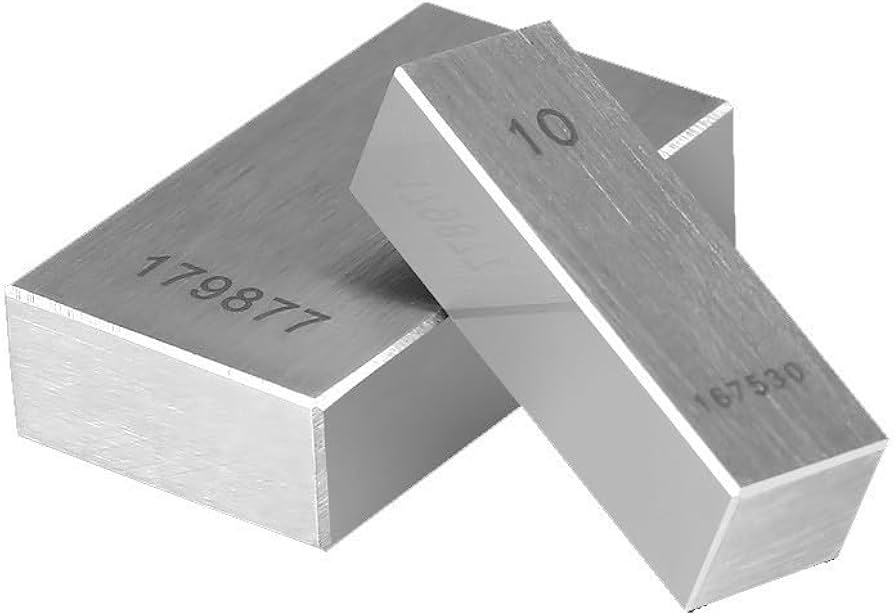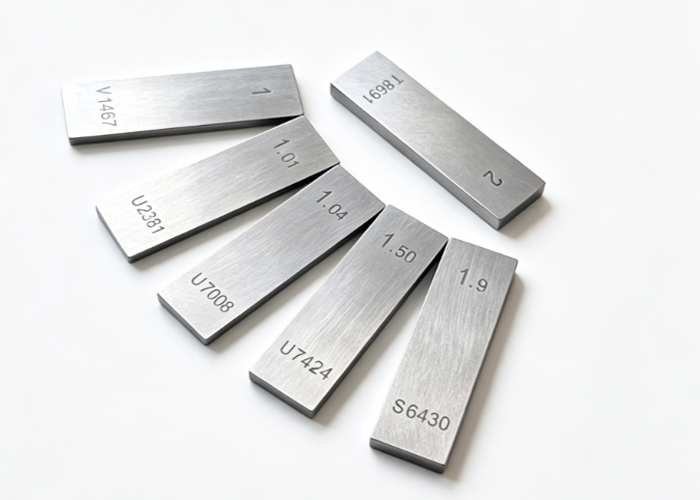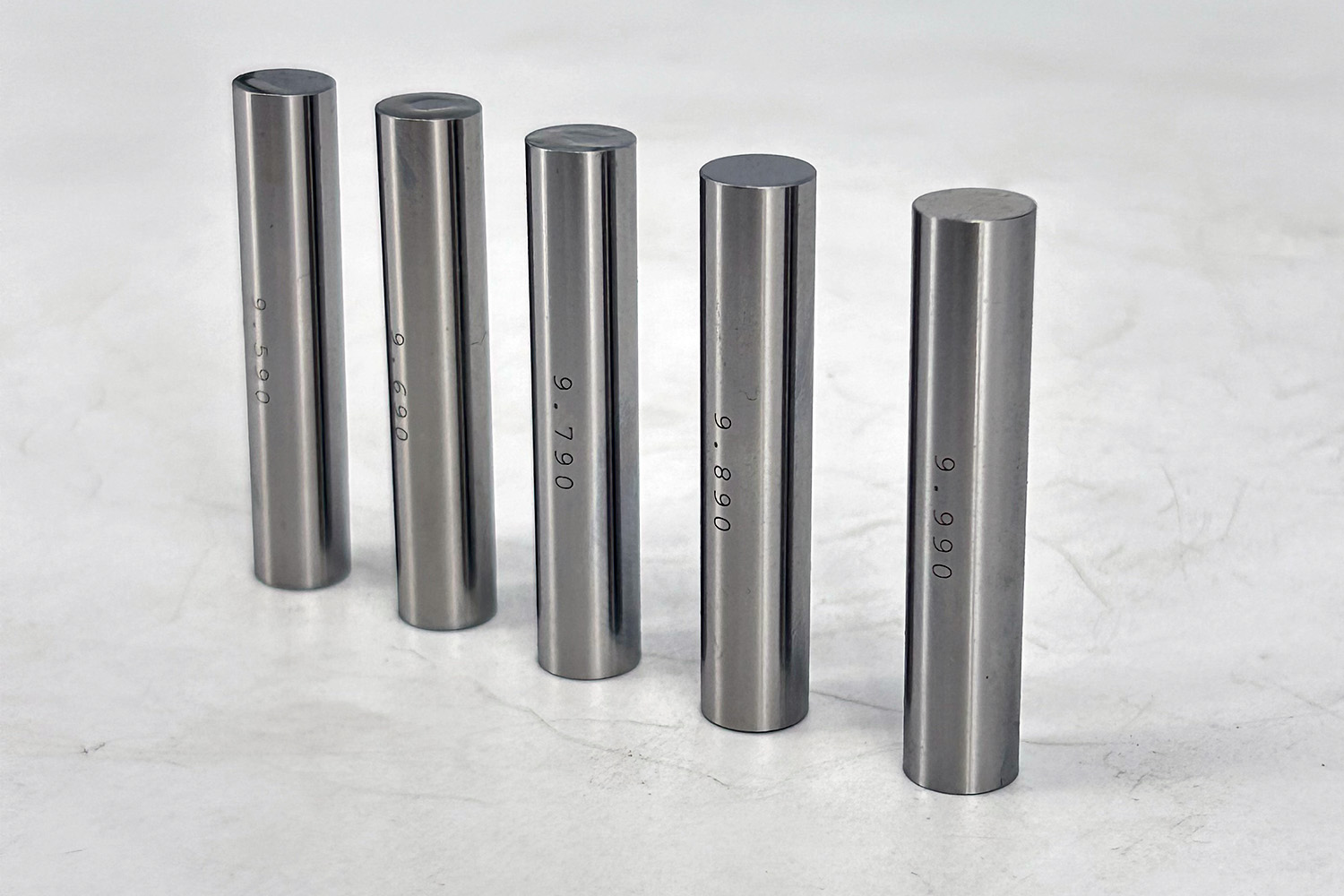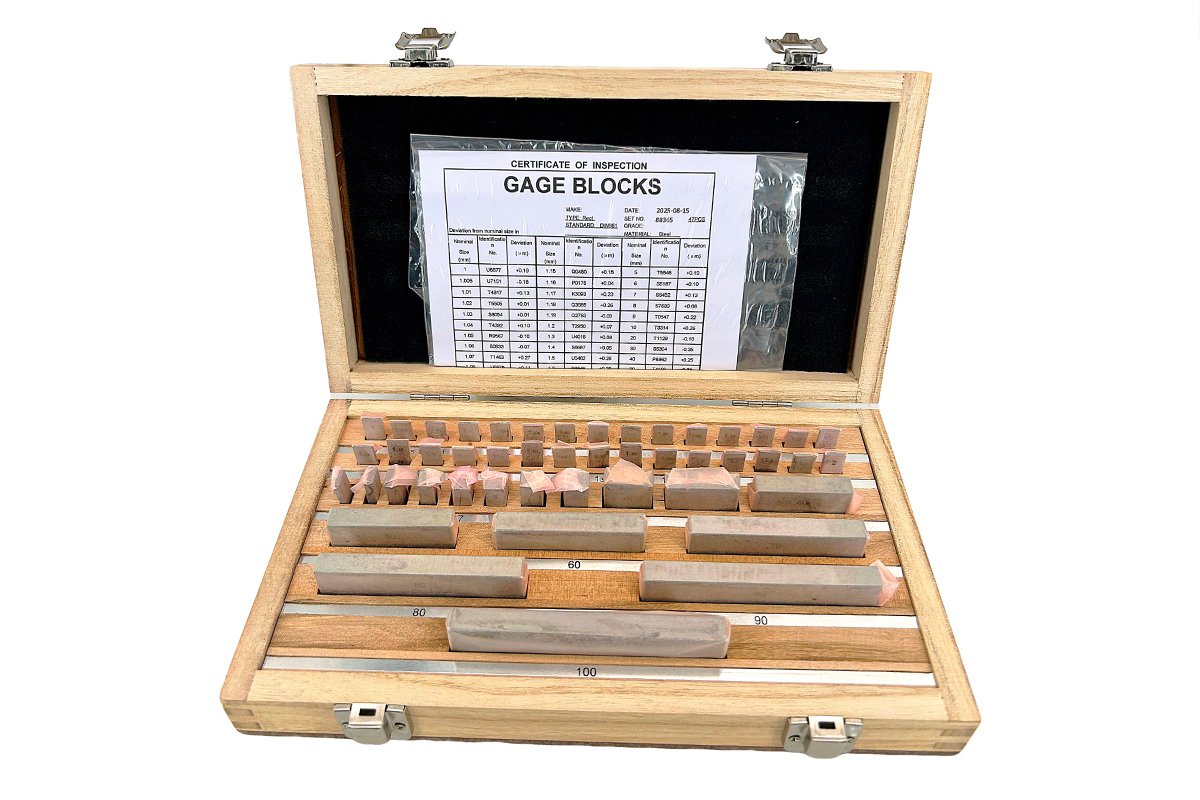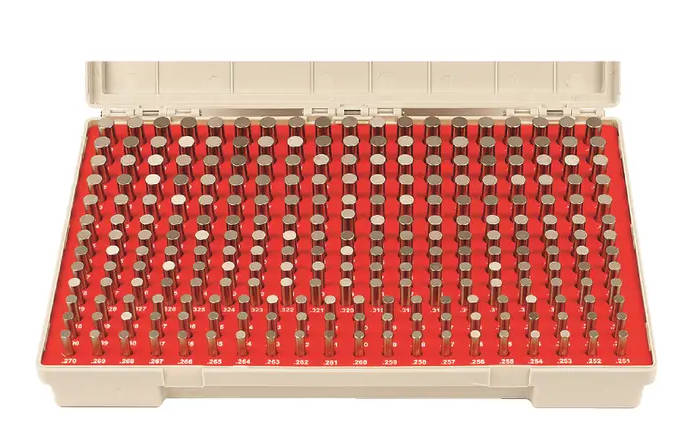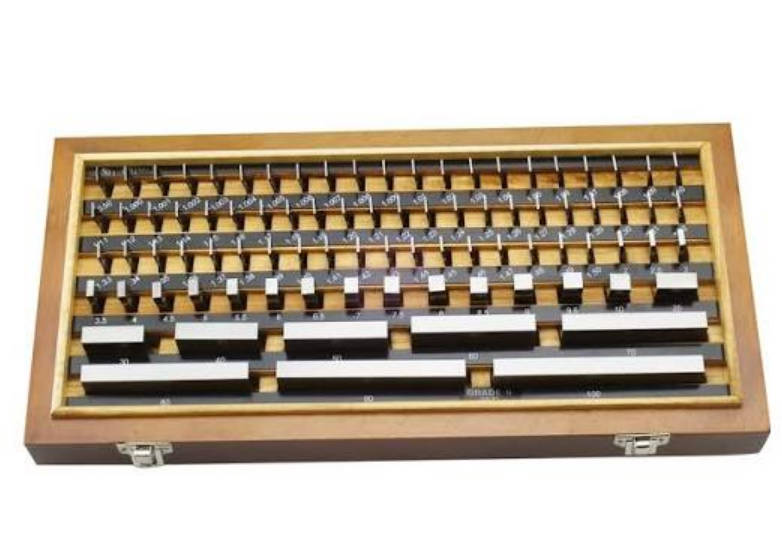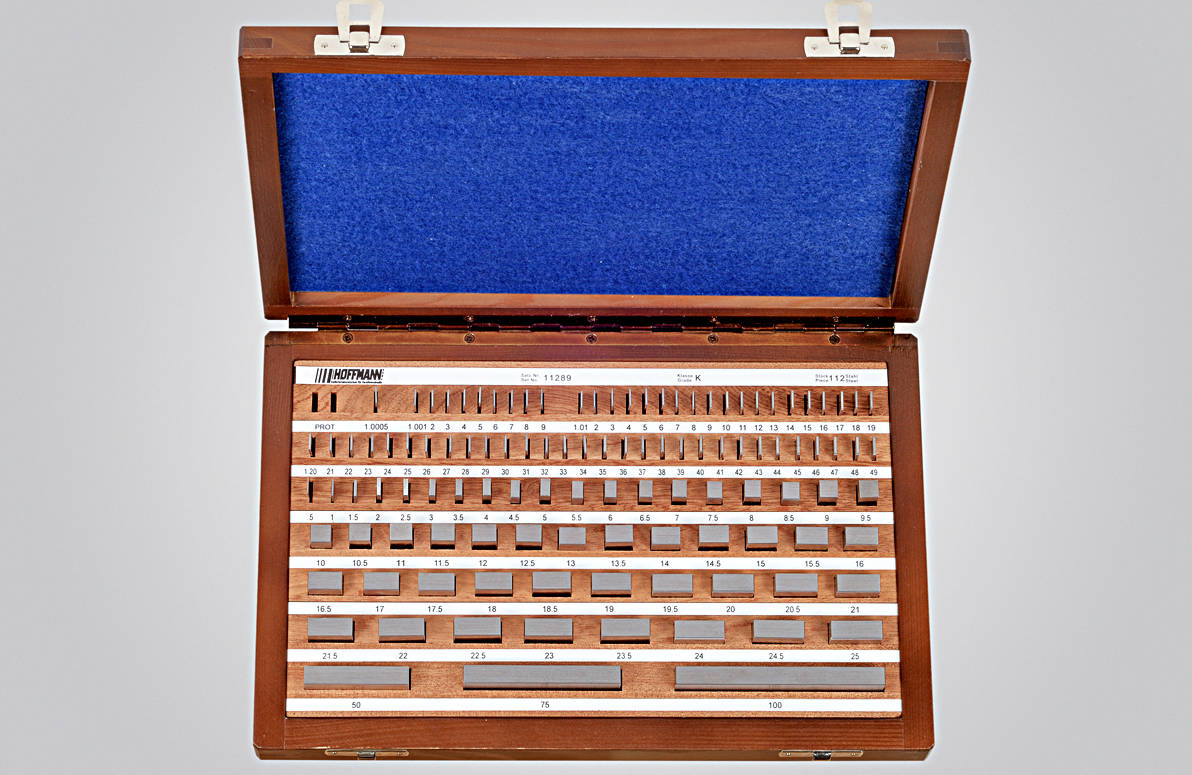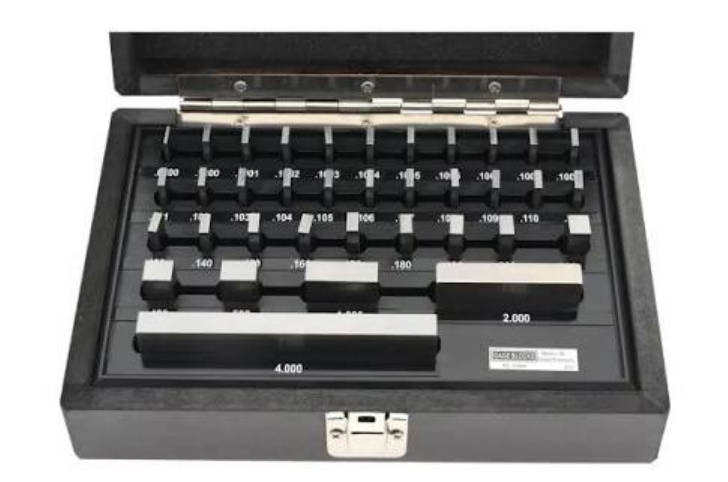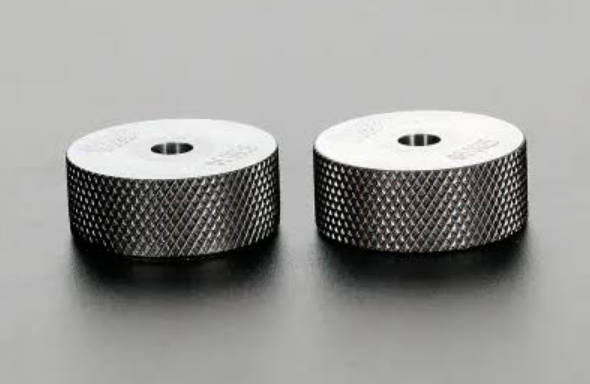
Steel gauge blocks are still a practical choice when buyers need cost-effective, accurate, and widely accepted length standards for general calibration, workshop inspection, and quality control. Although ceramic and tungsten carbide gauge blocks offer advantages in corrosion resistance or wear life, steel gauge blocks remain widely used because they provide a strong balance between precision, availability, usability, and purchase cost.
A steel gauge block, also called a steel gage block, is a precision length standard with flat and parallel measuring faces. It can be used alone or combined with other blocks to create reference lengths for checking micrometers, calipers, height gauges, comparators, fixtures, and other measuring equipment.
For many factories, the question is not whether steel gauge blocks are outdated. The better question is: when are steel gauge blocks still the right choice, and when should you consider ceramic or tungsten carbide alternatives?
If your inspection team needs gauge blocks for dimensional measurement, calibration support, or workshop quality control, MISHUTE provides related options through the MISHUTE gauge blocks category.
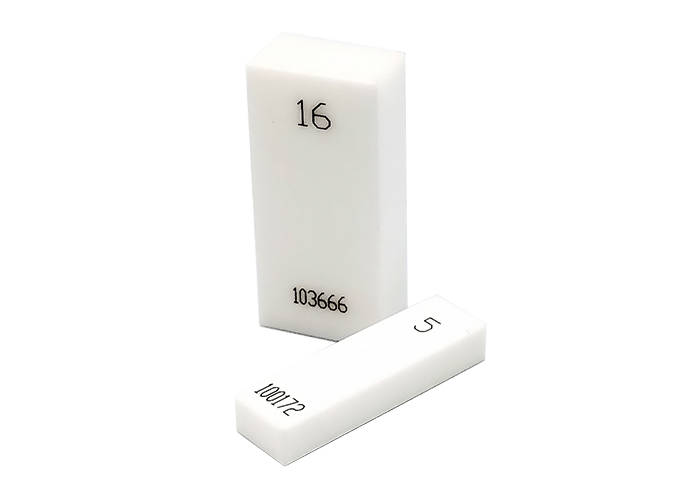
What Are Steel Gauge Blocks?
Steel gauge blocks are precision blocks made from hardened, stabilized steel. Each block is manufactured to a specific nominal length and finished with highly flat, parallel measuring surfaces. When used correctly, steel gauge blocks provide reliable reference lengths for dimensional inspection and calibration.
They are commonly used to:
- Calibrate outside micrometers
- Verify calipers
- Set height gauges
- Check dial indicators
- Set comparators
- Build reference dimensions
- Support fixture setup
- Verify measuring instrument accuracy
- Perform routine inspection room checks
The main function of steel gauge blocks is to provide repeatable reference lengths for calibration and dimensional inspection.
Steel gauge blocks are available in metric and inch sets. They may also be supplied in different grades depending on the required accuracy level and application environment.
Why Steel Gauge Blocks Are Still Widely Used
Steel gauge blocks remain popular because they fit the needs of many real production environments. Not every factory needs the highest wear resistance or corrosion resistance for every measurement task. In many cases, steel gauge blocks provide enough accuracy and durability when they are properly maintained.
| Reason | Why It Matters for Buyers |
| Cost-effective | Suitable for companies that need reliable precision without overspending |
| Widely accepted | Familiar to QC engineers, calibration teams, and operators |
| Good availability | Easy to source in metric and inch sets |
| Practical for workshops | Suitable for many routine inspection tasks |
| Good wringing behavior | Useful when blocks need to be combined |
| Multiple grade options | Can support different inspection and calibration requirements |
| Easy to integrate | Works with micrometers, height gauges, comparators, and fixtures |
For many factories, steel gauge blocks are not a “low-end” option. They are a practical standard when the application does not require special corrosion resistance or extremely high wear resistance.
When Are Steel Gauge Blocks the Right Choice?
Steel gauge blocks are especially suitable for general industrial inspection, routine calibration, workshop measuring tasks, and cost-sensitive quality control systems.
1. General Workshop Inspection
Steel gauge blocks are commonly used in workshop environments to check measuring tools and support daily inspection tasks. If your operators need to verify micrometers, calipers, or height gauges during production, a steel gauge block set can be a practical choice.
Typical uses include:
- Checking micrometer readings
- Setting reference heights
- Verifying calipers
- Checking measuring fixtures
- Supporting production inspection
For general workshop inspection, steel gauge blocks often provide the best balance of accuracy, cost, and usability.
2. Routine Quality Control
In a quality control department, steel gauge blocks can be used as working standards. They help inspectors check whether measuring tools remain suitable for production use.
For example, a QC technician may use steel gauge blocks to verify a micrometer at several points across its measuring range. This does not replace high-level laboratory calibration, but it helps maintain measurement confidence during routine inspection.
Steel gauge blocks are especially useful when:
- The inspection environment is reasonably controlled
- The blocks are cleaned and stored correctly
- The required accuracy matches the selected grade
- The blocks are calibrated at appropriate intervals
3. Cost-Sensitive Precision Measurement
Ceramic and tungsten carbide gauge blocks can offer material advantages, but they also usually involve higher purchase costs. If your application does not require those extra material properties, steel gauge blocks may be more economical.
Steel gauge blocks are suitable when:
- Budget control is important
- Inspection frequency is moderate
- Proper maintenance is possible
- The environment is not highly corrosive
- Operators are trained to handle precision blocks carefully
The goal is not always to buy the most advanced material. The goal is to buy the material that matches the inspection requirement.
4. Training and Internal Measurement Systems
Steel gauge blocks are also useful for training new inspectors. They help operators understand length standards, wringing, calibration procedures, and careful handling.
In many factories, steel gauge blocks may serve as:
- Working gauge blocks for daily inspection
- Training sets for operators
- Reference tools for fixture setup
- Backup sets for production departments
For higher-level calibration, the company may still keep a master set in a controlled metrology room. This creates a practical structure: use working steel gauge blocks on the shop floor and maintain higher-grade reference blocks separately.
Steel Gauge Blocks vs Ceramic Gauge Blocks vs Tungsten Carbide Gauge Blocks
Steel gauge blocks are not the only option. Buyers often compare steel with ceramic and tungsten carbide before making a decision.
| Material | Main Strength | Main Limitation | Suitable Use |
| Steel gauge blocks | Cost-effective, widely used, practical for general inspection | Requires rust prevention and careful maintenance | Workshop inspection, QC rooms, routine calibration |
| Ceramic gauge blocks | Corrosion resistant, non-magnetic, good wear resistance in many applications | Higher cost than steel, handling care still needed | Clean rooms, corrosion-sensitive environments, precision inspection |
| Tungsten carbide gauge blocks | High wear resistance and long service life in frequent-use applications | Higher cost and heavier handling | High-frequency inspection, demanding production environments |
Steel gauge blocks are usually the practical choice when the inspection environment is controlled and the main priority is reliable precision at a reasonable cost.
Ceramic gauge blocks may be more suitable where corrosion resistance or non-magnetic properties matter. Tungsten carbide gauge blocks may be preferred when the blocks are used very frequently or when wear is a major concern.
MISHUTE can help buyers evaluate different gauge block materials based on actual inspection frequency, working environment, and quality requirements. Related product information is available on the precision gauge blocks page.
Key Advantages of Steel Gauge Blocks
Cost-Effective for General Use
Steel gauge blocks are often more affordable than ceramic or tungsten carbide alternatives. This makes them suitable for companies that need multiple working sets across production lines, inspection rooms, or workshops.
For example, a factory may keep:
- One higher-grade reference set in the metrology room
- Several steel working sets for production inspection
- Additional sets for tool rooms or training
This approach can support measurement control without requiring every department to use expensive high-wear materials.
Familiar and Easy to Use
Steel gauge blocks are widely understood by machinists, inspectors, and calibration teams. Operators are usually familiar with cleaning, wringing, stacking, and storing steel blocks.
This matters because a measuring tool is only reliable when users understand how to handle it. A familiar tool reduces training difficulty and helps maintain consistent inspection practice.
Suitable for Many Measuring Instruments
Steel gauge blocks can be used with many common measuring tools:
| Measuring Tool | How Steel Gauge Blocks Are Used |
| Micrometer | Check reading accuracy at selected points |
| Caliper | Verify measurement at different openings |
| Height gauge | Set or verify reference height |
| Dial indicator | Provide a known displacement reference |
| Comparator | Establish a reference dimension |
| Sine bar | Build calculated height for angle setup |
| Fixture | Create or verify setup dimensions |
This versatility is one reason steel gauge block sets remain common in manufacturing.
Available in Multiple Grades and Set Sizes
Steel gauge blocks are available in different grades and set configurations. Buyers can choose according to accuracy requirements, application level, and budget.
| Grade Level | Typical Application |
| Higher grades | Calibration laboratories, reference standards, precision metrology |
| Mid-level grades | Inspection rooms and quality control departments |
| Workshop grades | Production inspection and general tool checking |
The exact grade names and tolerances depend on the standard and manufacturer. Buyers should confirm the applicable standard, certificate, and tolerance level before ordering.
Limitations of Steel Gauge Blocks
Steel gauge blocks are useful, but they are not ideal for every situation. Understanding their limitations helps buyers avoid wrong material selection.
Rust and Corrosion Risk
Steel can rust if exposed to moisture, fingerprints, coolant, or poor storage conditions. This is one of the most important limitations of steel gauge blocks.
To reduce the risk:
- Clean blocks after use
- Avoid touching measuring faces directly
- Use protective oil if appropriate
- Store blocks in a dry case
- Keep the storage environment stable
- Inspect for stains, corrosion, or surface damage
If corrosion resistance is a major requirement, ceramic gauge blocks may be more suitable.
Wear from Frequent Use
Steel gauge blocks can wear when they are used frequently, especially in high-contact inspection environments. Wear can gradually affect measurement reliability.
If the same blocks are used many times per shift, or if operators frequently wring and separate blocks, higher-wear materials may be worth considering.
For high-frequency inspection, buyers may evaluate tungsten carbide gauge blocks or use replaceable working sets while protecting master blocks.
Handling and Storage Requirements
Steel gauge blocks require disciplined handling. They should not be treated like ordinary steel parts. Dropping, scratching, sliding, or storing blocks improperly can affect accuracy.
Poor handling may lead to:
- Burrs
- Scratches
- Rust marks
- Worn measuring faces
- Poor wringing performance
- Unreliable calibration results
Steel gauge blocks can perform reliably only when they are cleaned, protected, stored, and calibrated properly.
How to Choose the Right Steel Gauge Block Set
Choosing a steel gauge block set requires more than selecting a size range. Buyers should consider measurement system, grade, application, certificate, and long-term maintenance.
1. Choose Metric or Inch
Select the system that matches your drawings and measuring tools.
| Option | Suitable For |
| Metric steel gauge block set | Millimeter drawings, metric micrometers, international production |
| Inch steel gauge block set | Inch drawings, imperial micrometers, U.S.-market inspection |
| Both metric and inch sets | Export factories or mixed-standard inspection rooms |
Using the wrong unit system can increase conversion errors and inspection confusion.
2. Choose the Correct Grade
Higher-grade blocks are not always necessary for workshop use. Choose based on your accuracy requirements.
| Application | Suggested Selection Logic |
| Calibration laboratory | Higher-grade blocks with traceable calibration |
| Inspection room | Precision grade suitable for QC measurement |
| Workshop use | Working grade suitable for production checking |
| Training or general setup | Practical grade with controlled maintenance |
If your customer requires a specific standard or certificate, confirm it before ordering.
3. Choose the Right Set Size
Gauge block sets are available in different numbers of pieces. A larger set provides more length combinations, but it may cost more and require more management.
Consider:
- What instruments you need to check
- The measuring range of micrometers and calipers
- Common part dimensions
- Required length combinations
- Whether fine increments are needed
- How many departments need working sets
For a general QC room, a broader set may be useful. For a single production line, a smaller working set may be enough.
4. Confirm Certificate Requirements
Many buyers need a calibration certificate for quality systems, customer audits, or internal traceability. Before ordering, confirm whether you need:
- Factory inspection certificate
- Traceable calibration certificate
- Third-party calibration certificate
- Individual block measured values
- Measurement uncertainty information
- Calibration date and block identification
The certificate requirement should match your quality system and customer expectations.
5. Consider Working Set vs Master Set
A good measurement system may use different sets for different purposes.
| Set Type | Purpose | Typical Location |
| Master set | Reference or higher-level calibration | Controlled metrology room |
| Working set | Daily inspection and tool checking | Workshop or QC area |
| Training set | Operator practice and basic setup | Training or production area |
Using a working set helps protect higher-grade master blocks from unnecessary wear.
Maintenance Tips for Steel Gauge Blocks
Proper care is critical for steel gauge blocks. Even a high-quality set can lose reliability if it is poorly maintained.
Recommended practices include:
- Clean blocks before and after use
- Remove fingerprints from measuring faces
- Apply appropriate rust protection when needed
- Store blocks in their case
- Keep the case closed when not in use
- Avoid sliding blocks across rough surfaces
- Do not force wringing if surfaces are dirty
- Inspect blocks for burrs, rust, and scratches
- Follow a calibration schedule
- Keep records for quality management
For steel blocks used in workshops, maintenance discipline is especially important because humidity, coolant, dust, and operator handling can affect surface condition.
Common Buying Mistakes
Choosing Steel Blocks Without Checking the Environment
Steel gauge blocks are suitable for many applications, but not for all environments. If your workplace has high humidity, corrosive exposure, or poor storage conditions, ceramic blocks may be worth considering.
Buying a Grade That Is Too Low
If the gauge blocks are used for instrument calibration, a low-grade set may not be accurate enough. Always match the grade to the instrument and tolerance requirement.
Buying a Grade That Is Too High
A very high-grade set may increase cost without practical benefit if it is used only for rough workshop checks. Higher grade also usually requires more careful environmental control.
Ignoring Calibration Certificates
If your customer or quality system requires traceability, buying blocks without the right certificate can create audit problems.
Using One Set for Everything
Using one steel gauge block set for master reference, daily inspection, and training can increase wear and risk. It is often better to separate master and working sets.
How to Choose a Steel Gauge Block Supplier
A reliable supplier should help you choose the right grade, size range, material, and certificate level. Before purchasing steel gauge blocks, prepare the following information:
- Metric or inch requirement
- Required size range
- Grade or accuracy requirement
- Calibration certificate requirement
- Application: workshop, QC room, or calibration lab
- Quantity
- Packaging and storage requirements
- Any customer-specified standard
- Whether you also need ceramic or tungsten carbide options
| Supplier Capability | Why It Matters |
| Multiple grade options | Helps match accuracy and budget |
| Metric and inch availability | Supports different drawing standards |
| Certificate support | Helps with traceability and audits |
| Material comparison support | Helps decide between steel, ceramic, and carbide |
| Clear marking and packaging | Supports block management and storage |
| Technical communication | Reduces ordering mistakes |
MISHUTE provides gauge blocks for calibration, inspection, and quality control applications. Buyers can review related product options on the MISHUTE gauge blocks page or visit the MISHUTE homepage for broader precision gauge solutions.
FAQ
Are steel gauge blocks still worth buying?
Yes. Steel gauge blocks are still worth buying for many general calibration, workshop inspection, and quality control applications. They offer a practical balance of accuracy, availability, and cost when properly maintained.
What are steel gauge blocks used for?
Steel gauge blocks are used as precision length standards for checking micrometers, calipers, height gauges, comparators, fixtures, and other measuring instruments.
Are steel gauge blocks better than ceramic gauge blocks?
Steel gauge blocks are usually more cost-effective and widely used for general inspection. Ceramic gauge blocks offer better corrosion resistance and are useful in environments where rust or magnetic properties are concerns.
When should I choose tungsten carbide gauge blocks instead of steel?
Tungsten carbide gauge blocks may be a better choice when the blocks are used very frequently, when wear resistance is a major concern, or when long service life is more important than initial cost.
Do steel gauge blocks need rust protection?
Yes. Steel gauge blocks should be cleaned, protected from moisture and fingerprints, and stored in a proper case. Rust prevention is one of the most important maintenance requirements for steel blocks.
What grade of steel gauge blocks should I choose?
The right grade depends on your application. Calibration laboratories usually need higher-grade blocks, while workshop inspection may use working-grade blocks. Always match the grade to your accuracy requirement and quality system.
Can steel gauge blocks be used for micrometer calibration?
Yes. Steel gauge blocks are commonly used to check micrometers at selected points across the measuring range. For formal calibration, certificate and traceability requirements should be confirmed.
Should I buy a metric or inch steel gauge block set?
Choose a metric steel gauge block set if your drawings and measuring tools are metric. Choose an inch set if your inspection work is based on imperial dimensions. Some manufacturers may need both.
Conclusion
Steel gauge blocks remain a practical and widely used choice for calibration, inspection, and workshop measurement. They are cost-effective, familiar to operators, available in many grades and set sizes, and suitable for many quality control environments.
They are not the only option. Ceramic gauge blocks may be better where corrosion resistance or non-magnetic properties are important. Tungsten carbide gauge blocks may be better for frequent use and high-wear conditions. However, for many factories, steel gauge blocks still provide the most balanced solution for routine inspection and calibration support.
If you need steel gauge blocks for workshop inspection, calibration support, or quality control, MISHUTE can help you evaluate the right size range, grade, material, and certificate requirement. Visit the MISHUTE gauge blocks category to learn more.