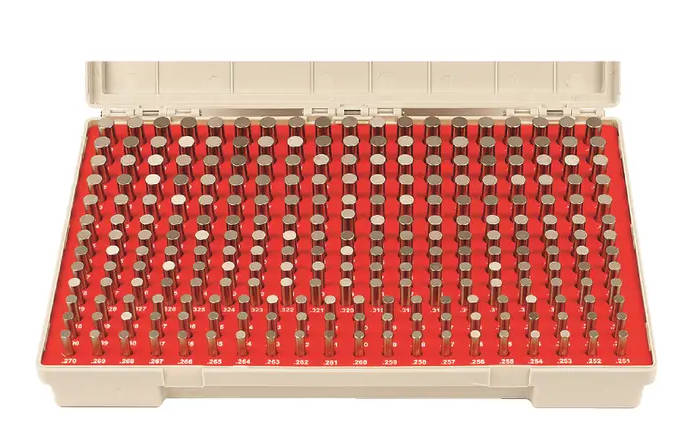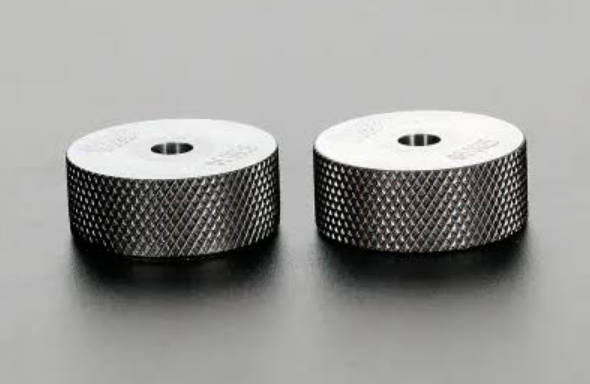
Ceramic pin gauges are usually better for corrosion resistance, non-magnetic inspection, clean environments, and applications where rust prevention is important. Steel pin gauges are usually better for cost-effective general inspection, workshop use, and standard quality control tasks. The better material depends on your inspection environment, tolerance requirement, usage frequency, maintenance ability, and budget.
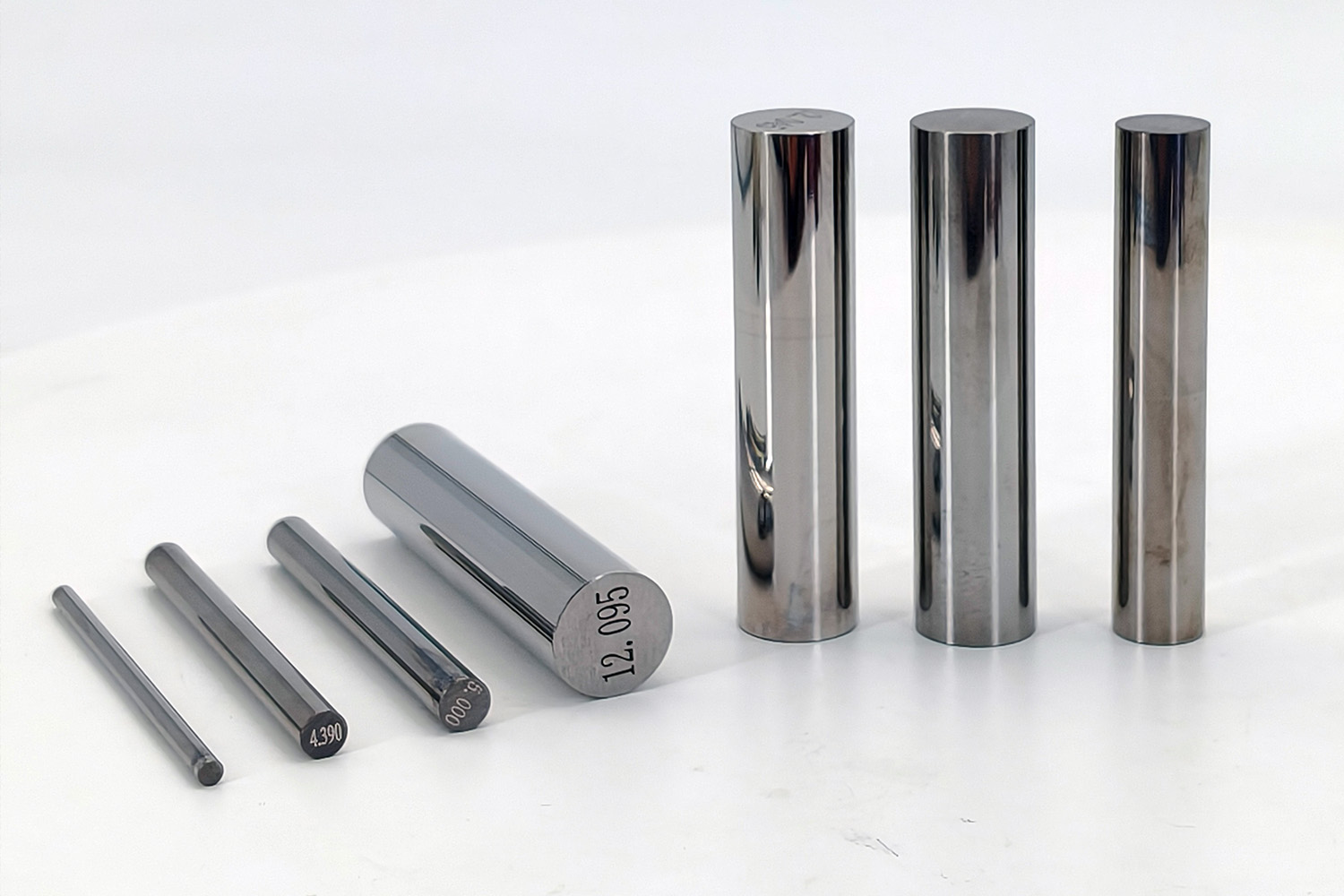
Pin gauges, also called pin gages, are precision cylindrical gauges used to check hole diameter, slot width, gaps, bore straightness, and Go/No-Go conditions. They are widely used in CNC machining, mold manufacturing, precision hardware, optical components, medical device parts, automotive components, and electronics manufacturing.
For many buyers, the question is not simply “Which material is better?” A more practical question is: which pin gauge material is better for your actual inspection condition? A steel pin gauge set may be the most economical choice for routine workshop inspection. A ceramic pin gage may be more suitable when corrosion, magnetism, chemical exposure, or clean handling becomes a concern.
MISHUTE supplies pin gauges for precision hole inspection and dimensional checking applications. You can review related product options on the MISHUTE pin gauges page.
What Are Pin Gauges Used For?
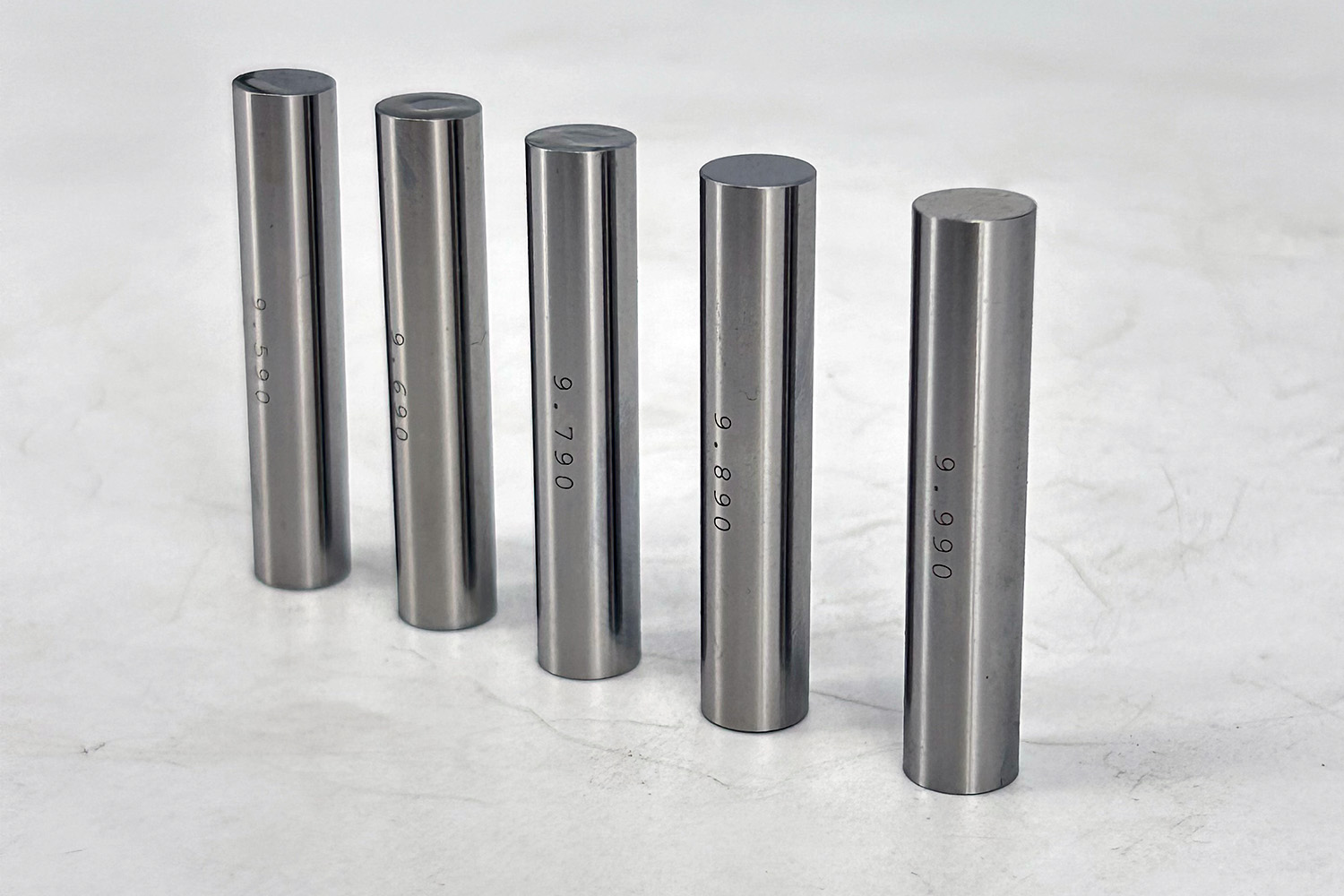
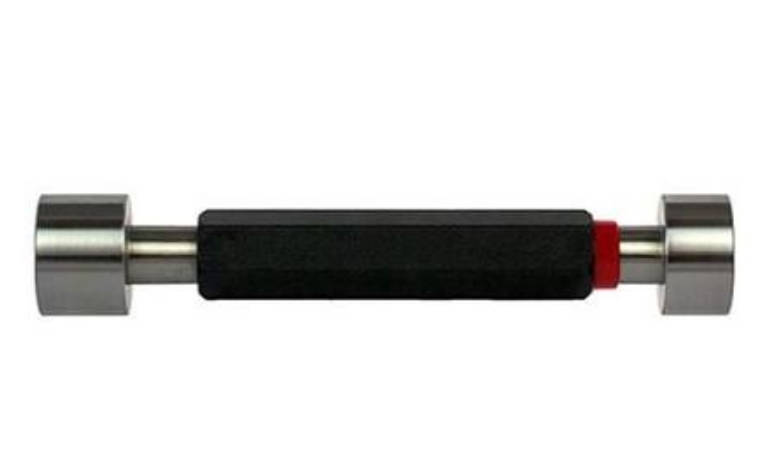
Pin gauges are precision cylindrical tools with controlled diameters. They are used to compare a known gauge size against a hole, slot, groove, or gap.
Common applications include:
- Hole diameter inspection
- Go/No-Go hole checking
- Slot width measurement
- Gap checking
- Bore straightness checking
- Alignment verification
- CNC machining process control
- Measuring tool setup
- Precision assembly inspection
- Quality control sampling
A pin gauge is used to verify whether a hole, slot, or gap accepts a known reference diameter under a defined inspection condition.
Because pin gauges work by physical fit, they are fast and practical for production inspection. The inspector does not need to read a dial or digital display. The gauge either fits or does not fit according to the inspection method.
What Are Steel Pin Gauges?
Steel pin gauges are commonly made from hardened bearing steel or tool steel, depending on the manufacturer and specification. They are widely used because they provide a practical balance of accuracy, durability, availability, and cost.
Steel pin gauges are often used in:
- CNC machining inspection
- General workshop quality control
- Mold and die inspection
- Automotive part inspection
- Hardware manufacturing
- Fixture setup
- General Go/No-Go checking
- Inspection rooms that need full pin gage sets
Steel pin gauges are commonly selected when buyers need a cost-effective and widely available solution for general hole inspection.
A steel pin gage set is often the first choice for many factories because it covers many sizes and is familiar to inspectors. When properly cleaned, stored, and calibrated, steel pin gauges can provide reliable inspection support for many applications.
What Are Ceramic Pin Gauges?
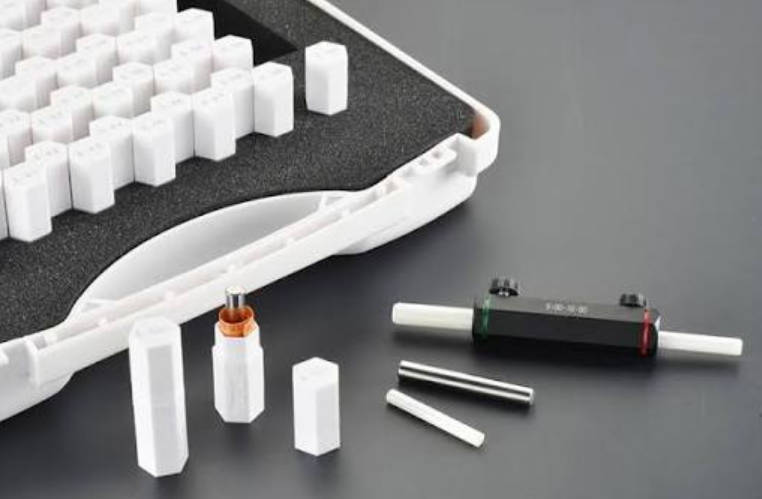
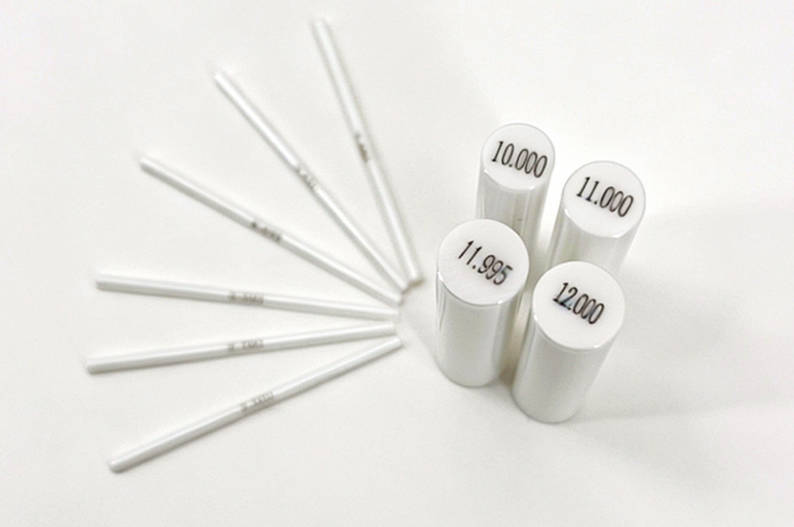
Ceramic pin gauges are precision pins made from advanced ceramic materials, commonly zirconia ceramic in many products. They are designed for dimensional inspection tasks where rust resistance, non-magnetic properties, chemical resistance, and clean handling are important.
Ceramic pin gauges are often used in:
- Corrosion-sensitive inspection
- Clean inspection environments
- Non-magnetic applications
- Optical component inspection
- Electronic component inspection
- Medical device component inspection
- Humid environments
- Applications where steel rust prevention is difficult
- Precision parts where surface cleanliness matters
Ceramic pin gauges are commonly selected when corrosion resistance, non-magnetic behavior, and low-maintenance storage are more important than the lowest initial cost.
Ceramic does not mean the gauge can be handled carelessly. Precision ceramic pins still require careful cleaning, storage, and calibration. However, they can reduce some risks associated with steel, especially rust and magnetization.
Ceramic Pin Gauges vs Steel Pin Gauges: Quick Comparison
| Factor | Ceramic Pin Gauges | Steel Pin Gauges |
| Corrosion resistance | Strong advantage; rust-free in many environments | Requires rust prevention and careful storage |
| Magnetic behavior | Non-magnetic | May become magnetized depending on material and environment |
| Cost | Usually higher | Usually more cost-effective |
| General availability | Available, but may be less common in some ranges | Widely available in many sizes and sets |
| Workshop use | Suitable when environment requires it, but needs careful handling | Common choice for general workshop inspection |
| Chemical exposure | Better resistance in many applications | May be affected depending on chemical and protection |
| Wear resistance | Good in many precision inspection tasks | Good for general use, but may wear with frequent contact |
| Handling risk | Hard, but may be more brittle under impact | Tougher in many general workshop conditions |
| Maintenance | Easier rust prevention | Requires cleaning and anti-rust care |
| Typical buyer | Precision, clean, corrosion-sensitive, or non-magnetic applications | General manufacturing, CNC machining, QC rooms |
Choose ceramic pin gauges when corrosion resistance or non-magnetic performance matters. Choose steel pin gauges when cost-effective general inspection is the main priority.
When Are Steel Pin Gauges the Better Choice?
Steel pin gauges remain the practical choice for many factories. They are not outdated. In many inspection rooms, they are still the standard working tool.
1. General CNC Machining Inspection
For CNC machined holes, slots, and gaps, steel pin gauges are often sufficient when the environment is controlled and operators follow proper maintenance procedures.
They are suitable for:
- Daily hole inspection
- Slot width checking
- General Go/No-Go measurement
- Machined part sampling
- Fixture checking
- Standard QC room use
If your inspection environment is dry, clean enough, and not chemically aggressive, steel pin gauges may offer the best cost-performance balance.
2. Cost-Sensitive Purchasing
Steel pin gauge sets are typically more economical than ceramic options. This matters when a factory needs multiple sets for different departments or production lines.
For example, a company may need:
- One set for the QC room
- One set for the CNC workshop
- One set for the tool room
- Individual GO/NO-GO pins for production stations
In this case, steel pin gauges can help control cost while still supporting practical inspection needs.
3. General Workshop Durability
Steel pin gauges are well suited to many workshop environments because operators are familiar with them, and they are relatively practical for daily handling. They still require care, but they are common and easy to integrate into existing inspection processes.
Steel pin gauges are suitable when:
- Operators are trained in gauge handling
- Rust prevention is manageable
- Inspection frequency is moderate
- Cost control is important
- The environment is not highly corrosive
- Magnetic behavior is not a problem
4. Broad Size Range Requirements
Steel pin gauge sets are widely available in many ranges, increments, and tolerance classes. If your factory checks many different hole sizes, steel sets may be easier to source and manage.
A full steel pin gage set can be a practical foundation for inspection rooms that handle many drawings and small-batch production.
When Are Ceramic Pin Gauges the Better Choice?
Ceramic pin gauges become more attractive when the inspection environment creates problems for steel.
1. Corrosion-Sensitive Environments
If steel pins rust due to humidity, coolant, fingerprints, or chemical exposure, ceramic pin gauges may reduce maintenance risk.
Ceramic pin gauges are useful when:
- Humidity is difficult to control
- Parts are inspected near wet processes
- Chemical exposure may occur
- Rust prevention is time-consuming
- Surface contamination must be minimized
Rust on a steel pin gauge can affect size, surface quality, and inspection reliability. Ceramic pins help reduce this specific risk.
2. Non-Magnetic Inspection
Ceramic pin gauges are non-magnetic, which can be important in certain precision applications.
They may be used when:
- Magnetic attraction could affect handling
- Small ferrous particles could stick to the gauge
- The part or inspection setup is sensitive to magnetism
- Electronics, optical, or precision assembly environments require non-magnetic tools
Steel pin gauges can sometimes become magnetized, depending on handling and environment. A magnetized pin may attract fine metal particles, which can affect inspection results or surface cleanliness.
3. Clean or Precision Inspection Rooms
Ceramic pin gauges are often preferred in clean, high-precision, or contamination-sensitive environments. They can be useful when inspection teams want easier rust control, non-magnetic behavior, and stable handling in controlled conditions.
Typical applications may include:
- Optical parts
- Connector components
- Medical device parts
- Precision sleeves and ferrules
- Electronic hardware
- Small high-precision holes
- Components requiring clean inspection tools
4. Long-Term Storage with Less Rust Concern
Steel pins require anti-rust care. Ceramic pins reduce rust-related storage concerns. This can be useful if the pin set is not used every day or if the storage environment is not ideal.
However, ceramic pins should still be stored carefully to avoid impact, contamination, or loss of identification.
Wear Resistance: Ceramic vs Steel Pin Gauges
Wear resistance depends on material, hardness, surface finish, handling, inspection frequency, part material, and cleanliness. Ceramic pin gauges can offer strong wear resistance in many applications, while steel pin gauges are practical for general use but may wear over time with repeated contact.
| Condition | Ceramic Pin Gauges | Steel Pin Gauges |
| Frequent inspection | Good wear performance in many precision tasks | Practical, but may require more wear monitoring |
| Abrasive contamination | Still needs cleaning; hard particles may cause damage | Also vulnerable to scratches and wear |
| General workshop use | Good if handled carefully | Very common and practical |
| Impact risk | More brittle than steel in many cases | Usually tougher under impact |
| Long-term rust risk | Low | Requires maintenance |
| Surface cleanliness | Strong advantage in clean applications | Requires careful cleaning and anti-rust protection |
Ceramic pin gauges can reduce rust and magnetism risks, but they do not eliminate the need for careful handling and calibration.
For high-frequency, high-wear applications, buyers may also compare tungsten carbide pin gauges, especially when wear resistance is the top priority.
Cost Comparison: Ceramic Pin Gauges vs Steel Pin Gauges
Steel pin gauges usually have a lower initial cost. Ceramic pin gauges usually cost more, but they may reduce maintenance problems in specific environments.
| Cost Factor | Ceramic Pin Gauges | Steel Pin Gauges |
| Initial purchase cost | Usually higher | Usually lower |
| Rust prevention cost | Lower | Higher maintenance attention |
| Replacement due to rust | Lower risk | Higher risk in humid environments |
| Handling training | Still required | Still required |
| Availability | May depend on size range | Usually broad |
| Best cost value | Corrosion-sensitive or clean environments | General-purpose inspection |
The most economical choice depends on total cost, not just purchase price. If steel pin gauges often rust or require frequent replacement in your environment, ceramic may be more cost-effective over time. If your environment is dry and controlled, steel may remain the better value.
How to Choose Between Ceramic and Steel Pin Gauges
Use the following selection logic before purchasing.
| Buying Question | Choose Ceramic Pin Gauges If | Choose Steel Pin Gauges If |
| Is corrosion a concern? | Yes, humidity or chemicals are present | No, storage and cleaning are controlled |
| Is magnetism a problem? | Yes, non-magnetic inspection is needed | No, magnetic behavior is not relevant |
| Is budget the main concern? | Not the main concern | Yes, cost control is important |
| Is the application general workshop inspection? | Only if rust/non-magnetic needs exist | Yes, steel is usually practical |
| Is the part highly precision or contamination-sensitive? | Ceramic may be suitable | Steel may still work if maintained |
| Do you need broad size availability? | Confirm range with supplier | Steel is often easier to source |
| Is impact risk high? | Handle with extra care | Steel may be more forgiving |
| Is frequent use expected? | Ceramic can be useful; carbide may also be considered | Steel works if wear is controlled |
Pin Gauge Tolerance and Material Selection
Material is only one part of pin gauge selection. Tolerance class and tolerance direction are also important.
Before ordering, confirm:
- Nominal diameter
- Tolerance class
- Plus, minus, or bilateral tolerance direction
- Metric or inch system
- Diameter range
- Step increment
- Material
- Length
- Certificate requirement
- Go/No-Go application
- Inspection environment
For Go/No-Go inspection, plus and minus pin gauges may be required. In many applications, plus pins are used for GO checks, and minus pins are used for NO-GO checks. However, the correct selection should follow your drawing tolerance and inspection procedure.
A ceramic pin gauge with the wrong tolerance class is not automatically better than a steel pin gauge with the correct class. The specification must match the inspection task.
Common Mistakes When Choosing Pin Gauge Material
Mistake 1: Choosing Ceramic Only Because It Sounds More Advanced
Ceramic is not always necessary. If your inspection environment is dry, clean, and cost-sensitive, steel pin gauges may be the more practical choice.
Mistake 2: Choosing Steel Without Considering Rust
Steel pin gauges can rust if exposed to moisture, fingerprints, coolant, or poor storage conditions. If rust is a recurring problem, ceramic should be considered.
Mistake 3: Ignoring Magnetism
In some precision applications, magnetized steel pins may attract fine metal particles. If this affects inspection reliability or cleanliness, ceramic may be a better option.
Mistake 4: Focusing on Material but Ignoring Tolerance
Material does not replace tolerance selection. The pin gauge must still match the required tolerance class, plus/minus direction, and inspection method.
Mistake 5: Poor Handling of Ceramic Pins
Ceramic is hard and corrosion resistant, but it can be more brittle than steel under impact. Dropping or striking ceramic pins should be avoided.
How to Choose a Pin Gauge Supplier
A suitable supplier should help you compare materials, not simply quote the lowest price. Before requesting a quotation, prepare complete information.
You should provide:
- Metric or inch requirement
- Diameter range
- Step increment
- Tolerance class
- Plus, minus, or bilateral direction
- Ceramic or steel material preference
- Inspection application
- Go/No-Go requirement
- Quantity
- Standard or custom length
- Certificate requirement
- Drawing if available
- Working environment
- Inspection frequency
| Supplier Capability | Why It Matters |
| Ceramic and steel options | Allows proper material comparison |
| Multiple tolerance classes | Helps match inspection accuracy requirements |
| Standard and custom pin gauges | Supports both set purchase and dedicated inspection |
| Certificate support | Supports quality systems and audits |
| Clear marking and packaging | Reduces operator error |
| Technical communication | Helps avoid wrong tolerance or material selection |
| Material recommendation | Helps balance cost, wear, corrosion, and handling risk |
If you need ceramic pin gauges, steel pin gauges, or a complete pin gage set for hole inspection, you can start from the MISHUTE website or visit the MISHUTE pin gauges page for related product information.
FAQ
Are ceramic pin gauges better than steel pin gauges?
Ceramic pin gauges are better when corrosion resistance, non-magnetic properties, and clean inspection are important. Steel pin gauges are often better for cost-effective general workshop inspection.
When should I use ceramic pin gauges?
Use ceramic pin gauges when rust prevention, chemical resistance, non-magnetic behavior, or clean inspection conditions are important. They are suitable for precision, optical, electronic, and corrosion-sensitive applications.
When should I use steel pin gauges?
Use steel pin gauges for general hole inspection, CNC machining quality control, workshop measurement, and cost-sensitive applications where rust and magnetism are not major concerns.
Do ceramic pin gauges rust?
Ceramic pin gauges do not rust like steel because they are not made from ferrous metal. This makes them useful in humid or corrosion-sensitive environments.
Are steel pin gauges accurate enough for precision inspection?
Yes. Steel pin gauges can be accurate enough for many precision inspection tasks when the correct tolerance class is selected and the pins are properly maintained, stored, and calibrated.
Are ceramic pin gauges more wear resistant than steel?
Ceramic pin gauges can provide good wear resistance in many applications, but wear performance also depends on handling, cleanliness, inspection frequency, and part material. For extreme high-wear conditions, tungsten carbide may also be considered.
What pin gauge material is best for CNC machining?
For general CNC machining, steel pin gauges are commonly used because they are cost-effective and widely available. Ceramic pin gauges may be better when corrosion, magnetism, or cleanliness is a concern.
Do ceramic and steel pin gauges need calibration?
Yes. Both ceramic and steel pin gauges should be calibrated or verified according to inspection frequency, tolerance requirements, quality system standards, and customer audit needs.
Conclusion
Ceramic pin gauges and steel pin gauges are both useful for precision hole inspection, but they are suited to different conditions. Steel pin gauges are practical, cost-effective, and widely used for general workshop inspection and CNC quality control. Ceramic pin gauges are better when corrosion resistance, non-magnetic behavior, and clean inspection are important.
The right choice depends on your application. If your main priority is cost-effective general inspection, steel pin gauges are often suitable. If your environment has humidity, chemical exposure, magnetic sensitivity, or contamination concerns, ceramic pin gauges may be the better material choice.
When purchasing pin gauges, material should be considered together with tolerance class, plus/minus direction, diameter range, certificate requirement, and inspection frequency. MISHUTE can help evaluate suitable pin gauge options for your inspection needs. Visit the MISHUTE pin gauges category to learn more.