Thread Gauges
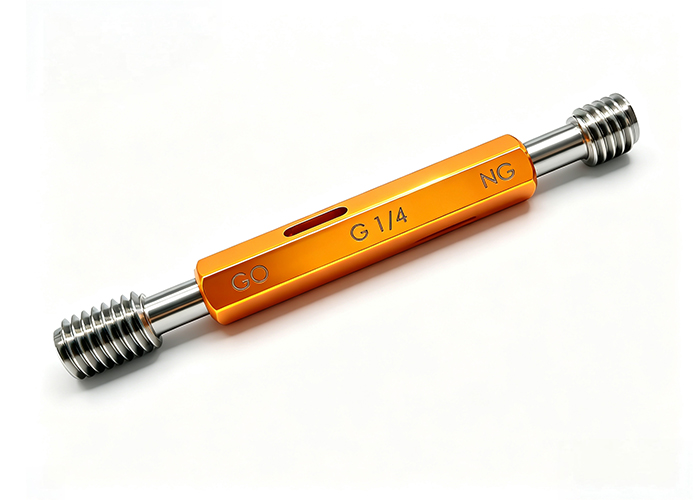
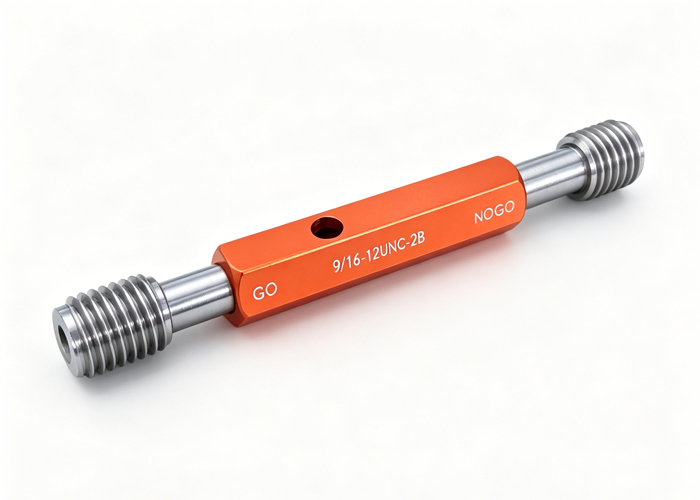
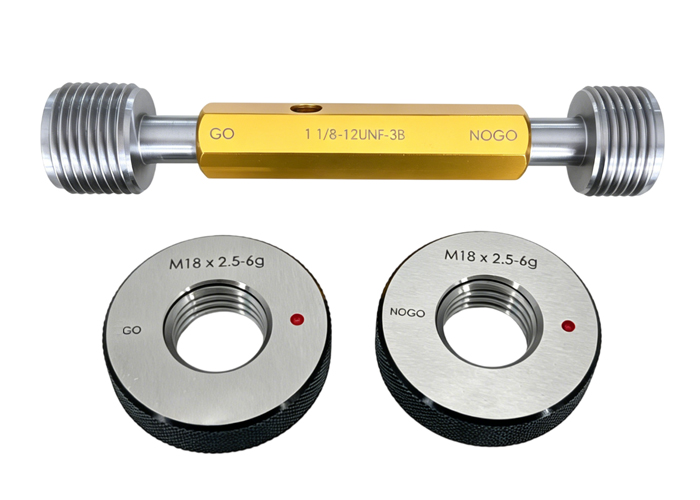
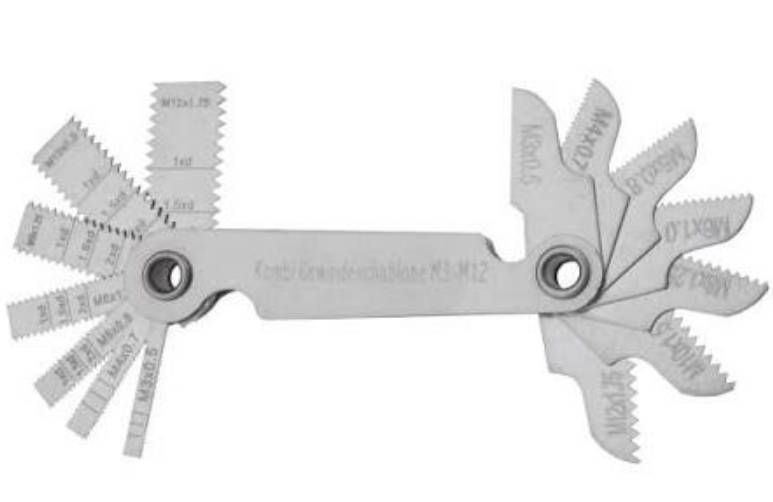
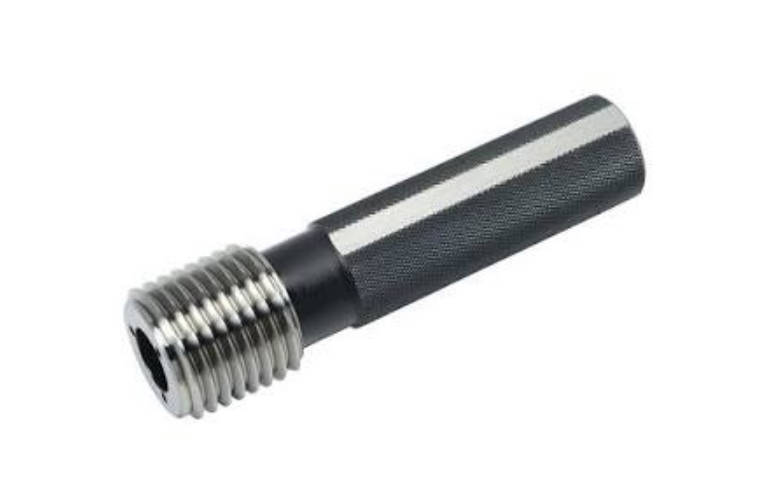
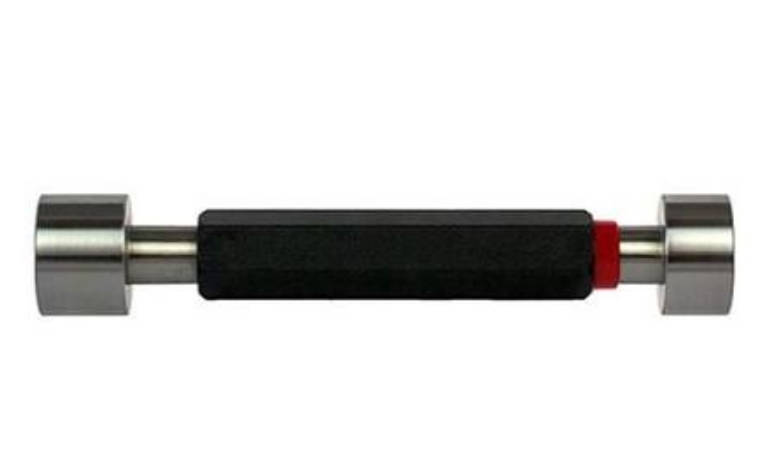
There are different types of thread gauges available on the market: Some resemble rods, whilst others are almost like folding knives. Those resembling rods are sometimes referred to as go-no-go gauges. This is because one end of the gauge has a ‘go’ end and the other a ‘no-go’ end. The go end should fit smoothly into a nut, whilst the no-go end should be stopped by the nut.
Thread gauges, also known as pitch gauges, are used to check the pitch of the threads (spiral structure) on screws or in workpiece holes. However, the term ‘pitch’ can be somewhat misleading. Pitch does not refer to the height of the thread, but rather to the number of threads per inch or centimetre and how closely they are spaced.
Thread gauges resembling folding knives have multiple blades. Each blade features a triangular serration corresponding to a different pitch.
Although neither of these tools provides an exact measurement, they allow you to roughly determine the correct pitch and confirm whether the screw will fit smoothly with other threaded components. Fit accuracy is crucial for this type of measurement.
Plug Gauges
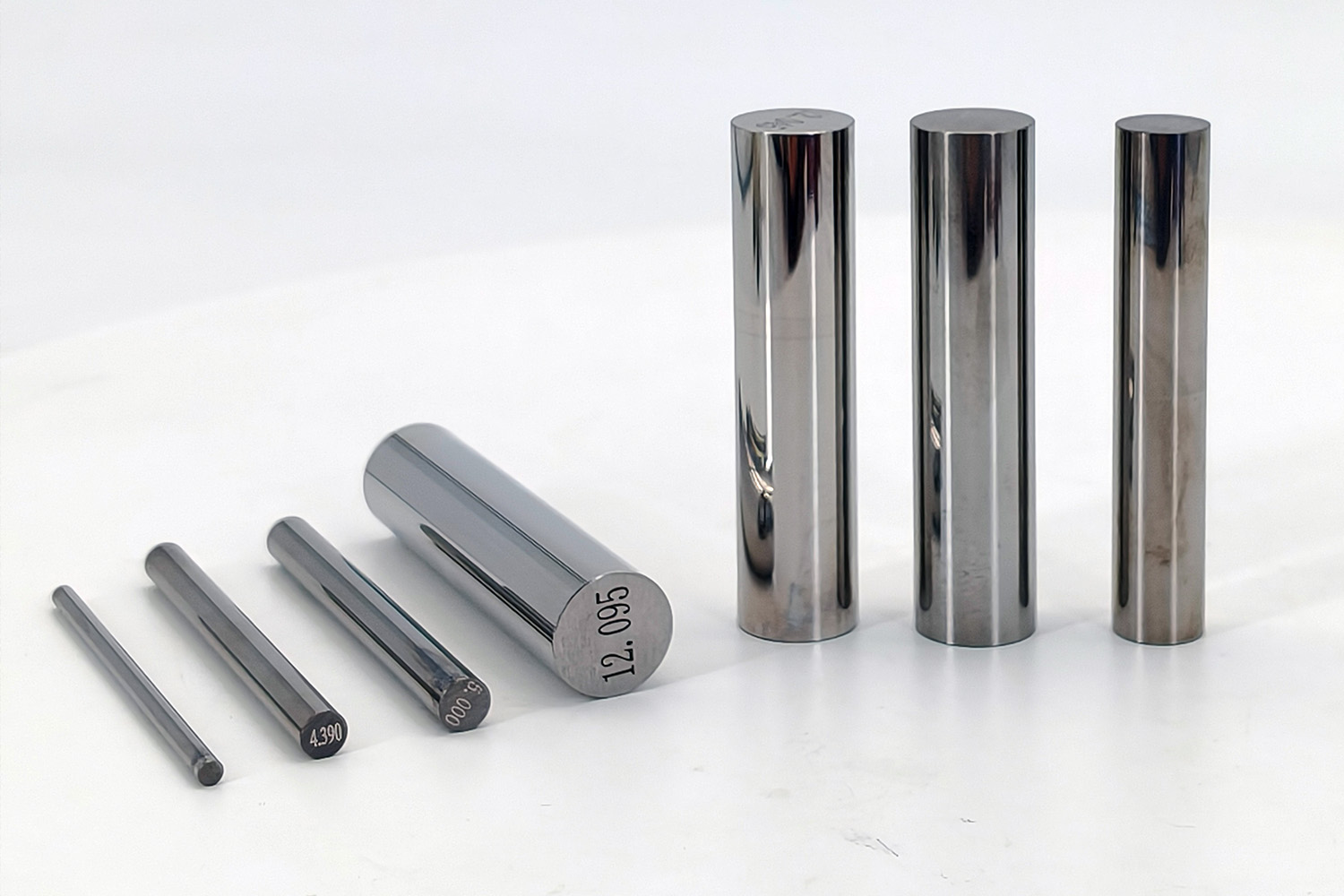
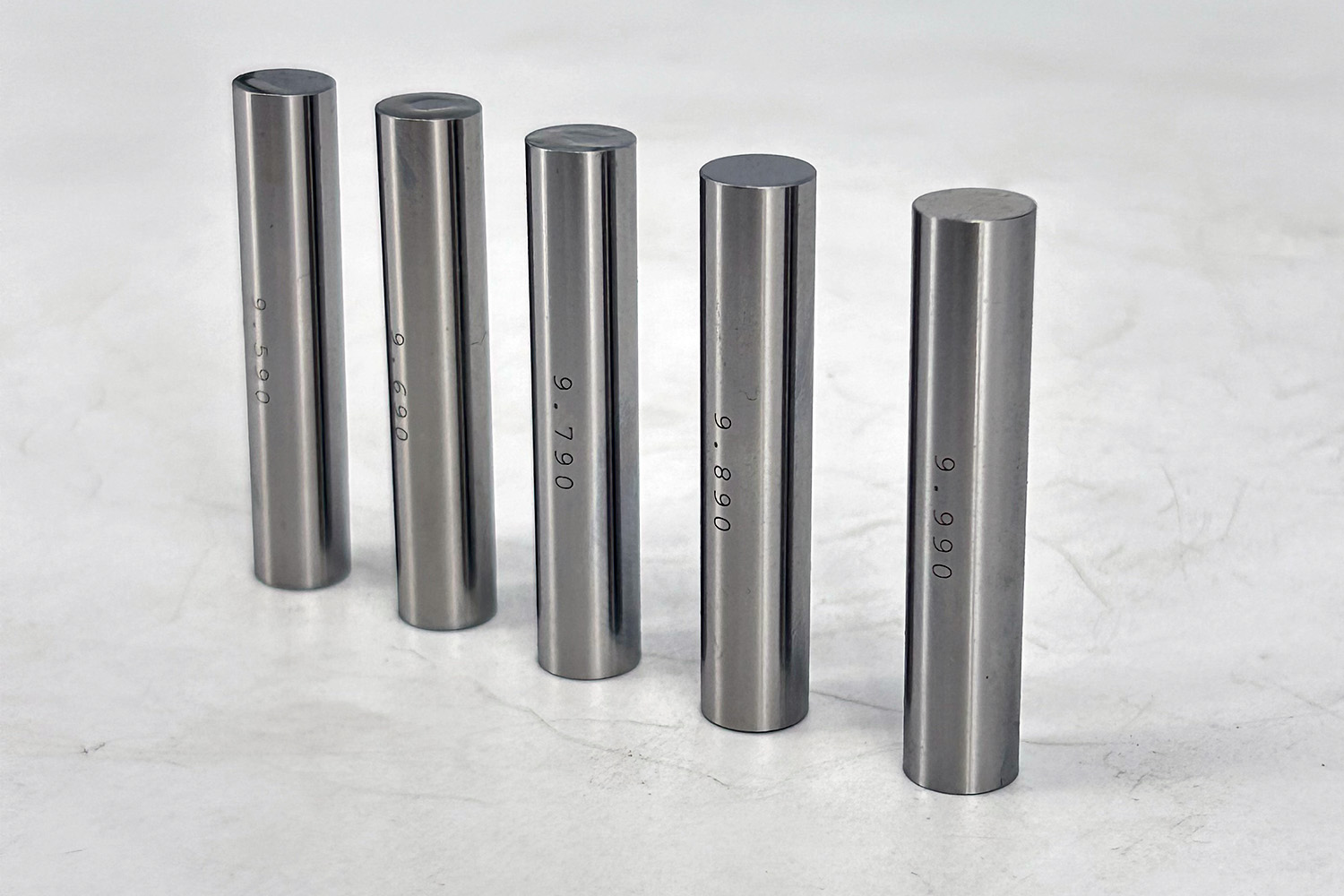
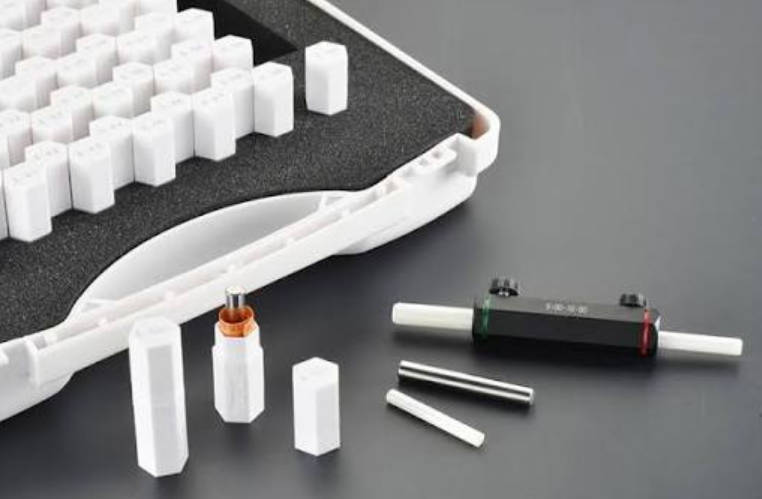
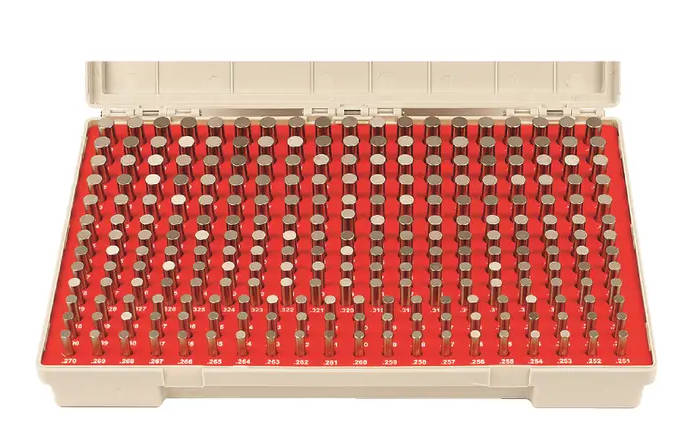
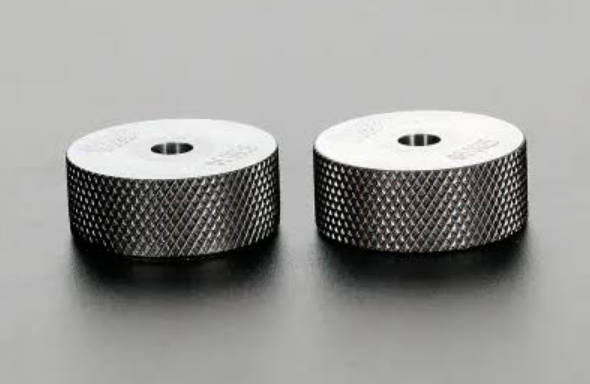
Whilst thread gauges inspect the helical structure of a workpiece, plug gauges are used to check whether a given dimension (such as a hole) is too large or too small. These tools are rod-shaped and also have a go end and a no-go end. Similarly, if the hole is the correct size, the open end should slide in easily, whilst the stop end should be blocked.
Tolerances for Both
Although gauges are typically made of steel, this does not mean they are immune to wear and tear. You may wish to look for products with a tungsten carbide coating or additional plating to ensure greater durability. The durability of inspection tools is of paramount importance.
Even with thread gauges designed for enhanced durability, excessive rotational force should not be applied—just a few turns should suffice. If the go end cannot enter the hole, the pitch is clearly incorrect. Applying excessive rotational force may damage the gauge.
Furthermore, both thread gauges and plug gauges are prone to a phenomenon known as galling or welding, where the surfaces begin to expand under pressure, causing the nut and bolt to become permanently welded together! You can prevent galling by ensuring there is sufficient lubricant on the gauge. You should also look for gauges that have undergone triple cold stabilisation, meaning they have been frozen and thawed to withstand galling. Finally, check for any debris adhering to the gauge. Tiny fragments of burr-prone material may actually adhere to the gauge surface, causing deformation and galling.