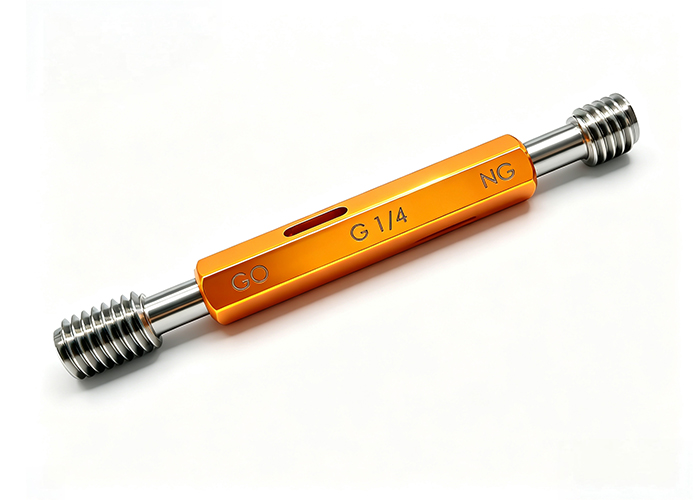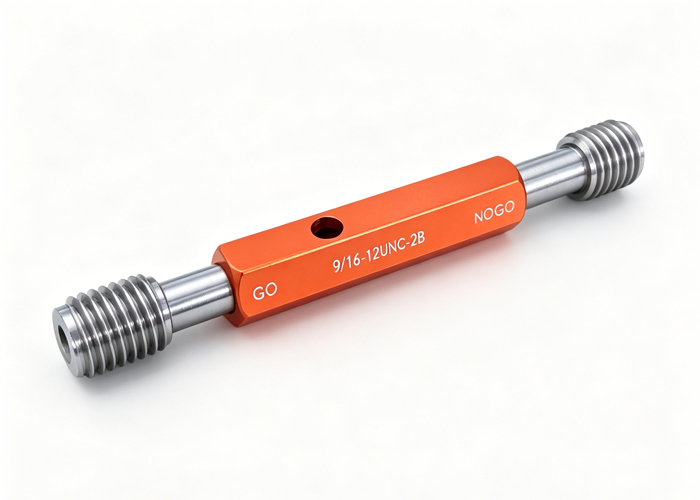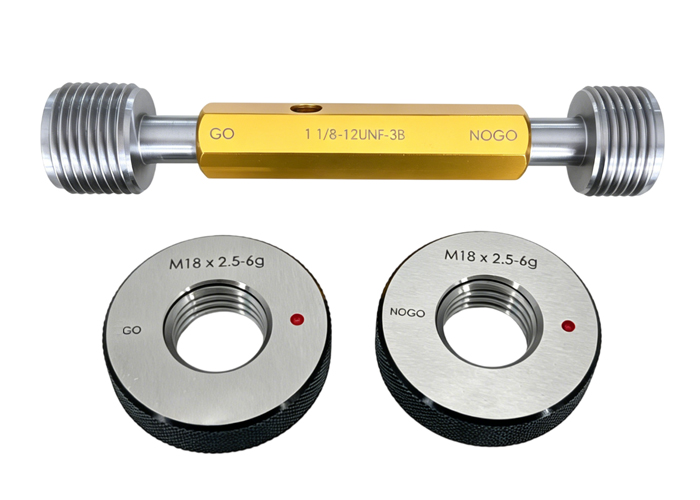
Golden Rules for Using Precision Plug Gauges (The Do’s and Don’ts)
Before discussing specific procedures, it is essential to ensure that workshop operators fully understand the following core principle: plug gauges are measuring instruments, not machining tools.
1. Preparation and Environmental Control Before Use
● Temperature variation is the enemy of accuracy: the international standard reference temperature is 20°C (68°F). Do not use a plug gauge straight from a cold warehouse to measure hot workpieces fresh off the production line. Both the plug gauge and the workpiece must be left at the same room temperature for a sufficient period to achieve thermal stabilisation; otherwise, thermal expansion will lead to significant measurement errors.
● Thorough cleaning upon unpacking: New steel plug gauges are typically coated with a thick layer of rust-preventative oil (protective coating). Before first use, wipe them thoroughly with a microfibre cloth dipped in industrial denatured alcohol (Ethanol), ensuring no oil residue remains.
2. Correct Measurement Technique (Technique Determines Lifespan)
● Push Gently and Rotate Slowly; Do Not Force the Gauge:
○ Correct procedure: Align the plug gauge with the centreline of the hole and gently rotate and push it in, using the gauge’s own weight or applying only very slight pressure.
○ Strictly prohibited: If you feel significant resistance, never strike the gauge forcefully with the palm of your hand, and certainly do not use a hammer to force it in. This will not only cause micro-scratches and galling on the gauge but will also directly damage the workpiece.
● Go/No-Go Gauge Criteria:
○ Go Gauge: Must pass smoothly and completely through the hole being measured on the workpiece, indicating that the hole diameter is greater than the specified lower limit.
○ No-Go Gauge: Should not enter the hole in the workpiece (for cylindrical flat plug gauges), or should not penetrate more than the specified number of turns (for thread plug gauges), indicating that the hole diameter does not exceed the upper limit.
● Burr Prevention Inspection: Before measurement, ensure that the workpiece bore opening has been chamfered and that the interior is free of metal debris, grit or burrs. Burrs are the primary cause of scratches on precision gauges.
SOP for Care and Maintenance by Material
Different materials require entirely different maintenance approaches; this is also the best point of entry for Mihe Precision to demonstrate the advantages of its products (ceramic/tungsten steel).
1. Tool Steel/White Steel Plug Gauges (Steel Gauges)
● Pain Points: Prone to rusting; maintenance is cumbersome.
● Cleaning: After use, fingerprints and coolant residues must be wiped off immediately with a microfibre cloth. Under no circumstances should workshop disinfectant wipes containing bleach be used, as this will cause the steel gauges to rust and become unusable within hours.
● Rust Prevention: After cleaning and drying, the surface must be evenly coated with specialised rust-preventive oil or protective grease, then stored in the packaging box.
2. Tungsten Carbide Gauges
● Characteristics: Extremely high hardness, wear resistance several times that of steel, and excellent running-in characteristics.
● Maintenance: Simply wipe clean after use; there is no need to apply large amounts of rust-preventative oil.
● Precautions: Although wear-resistant, tungsten carbide is relatively brittle. Take great care to prevent dropping or impact with hard objects, as a fall can easily cause chipping at the chamfered edges, rendering the plug gauge unusable.
3. Zirconia Ceramic Gauges — Recommended Maintenance-Free Solution
● Characteristics: 5–10 times more wear-resistant than steel; non-magnetic, non-conductive and corrosion-resistant.
● Maintenance: Truly ‘maintenance-free’. Common chemical reagents and workshop cutting fluids will not corrode them. They can be handled bare-handed during use; after use, simply wipe clean with a lint-free cloth and return to the box. No rust prevention treatment is required whatsoever, significantly reducing workshop maintenance costs.
Storage and Periodic Calibration
1. Proper Storage:
○ After use, please ensure that plug gauges are returned to their original plastic or wooden protective cases.
○ Under no circumstances should multiple plug gauges be left scattered on a workbench or in a drawer, to prevent damage to the measuring surfaces caused by metal-to-metal contact.
2. Recommended Calibration Frequency:
○ Even gauges that are properly maintained will suffer wear and tear as the number of uses increases.
○ High-frequency/heavy-duty use (e.g. CNC workshops operating 24 hours a day): Calibration is recommended every 3–6 months.
○ Low-frequency/light-duty use (e.g. laboratories or spot checks): Calibration is recommended once a year.
○ Note: All Mihe Precision plug gauges undergo 100% inspection using high-precision length measuring instruments in a 20°C constant-temperature laboratory prior to dispatch, and are accompanied by a factory inspection report (Inspection Report) to ensure the absolute reliability of their initial accuracy.