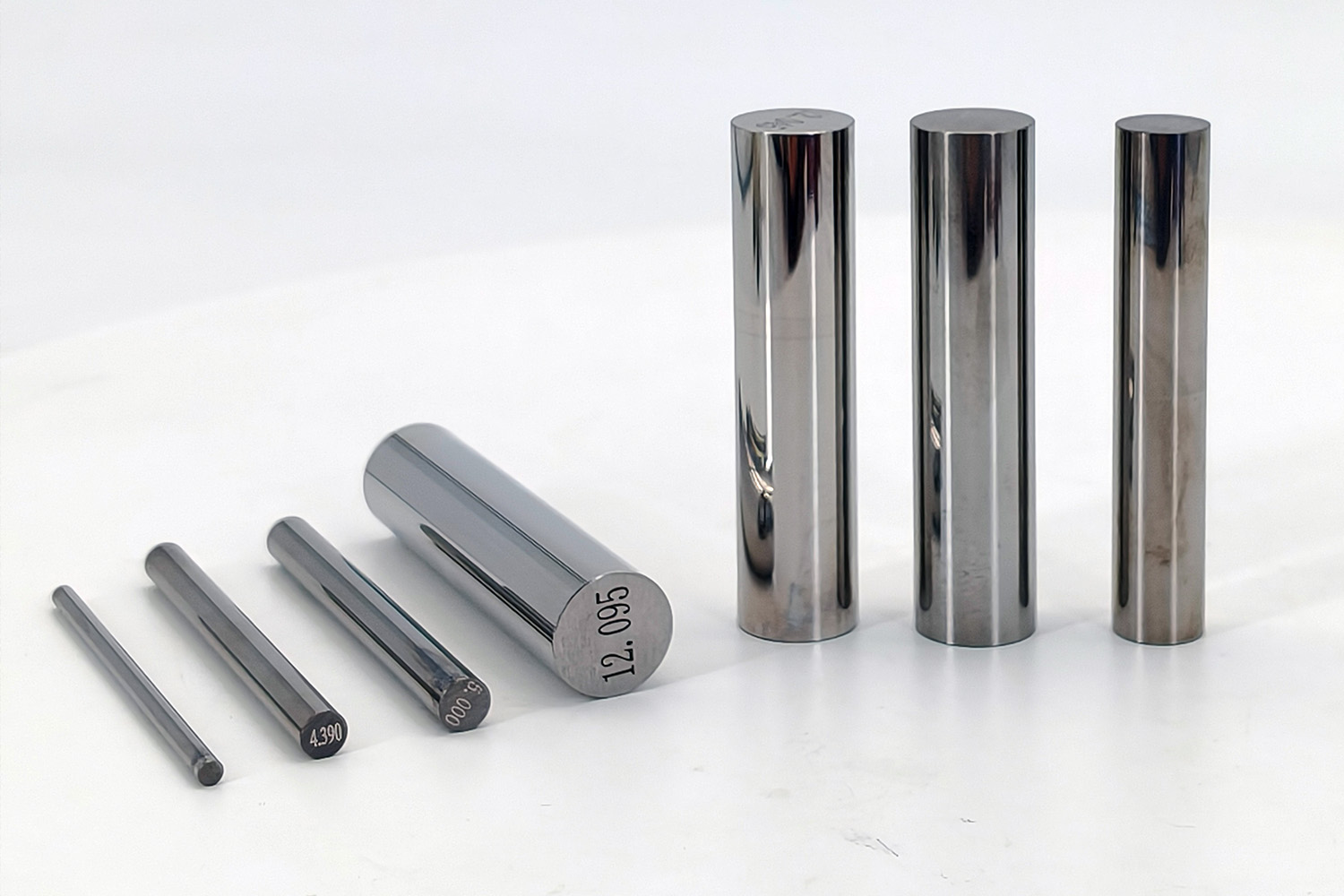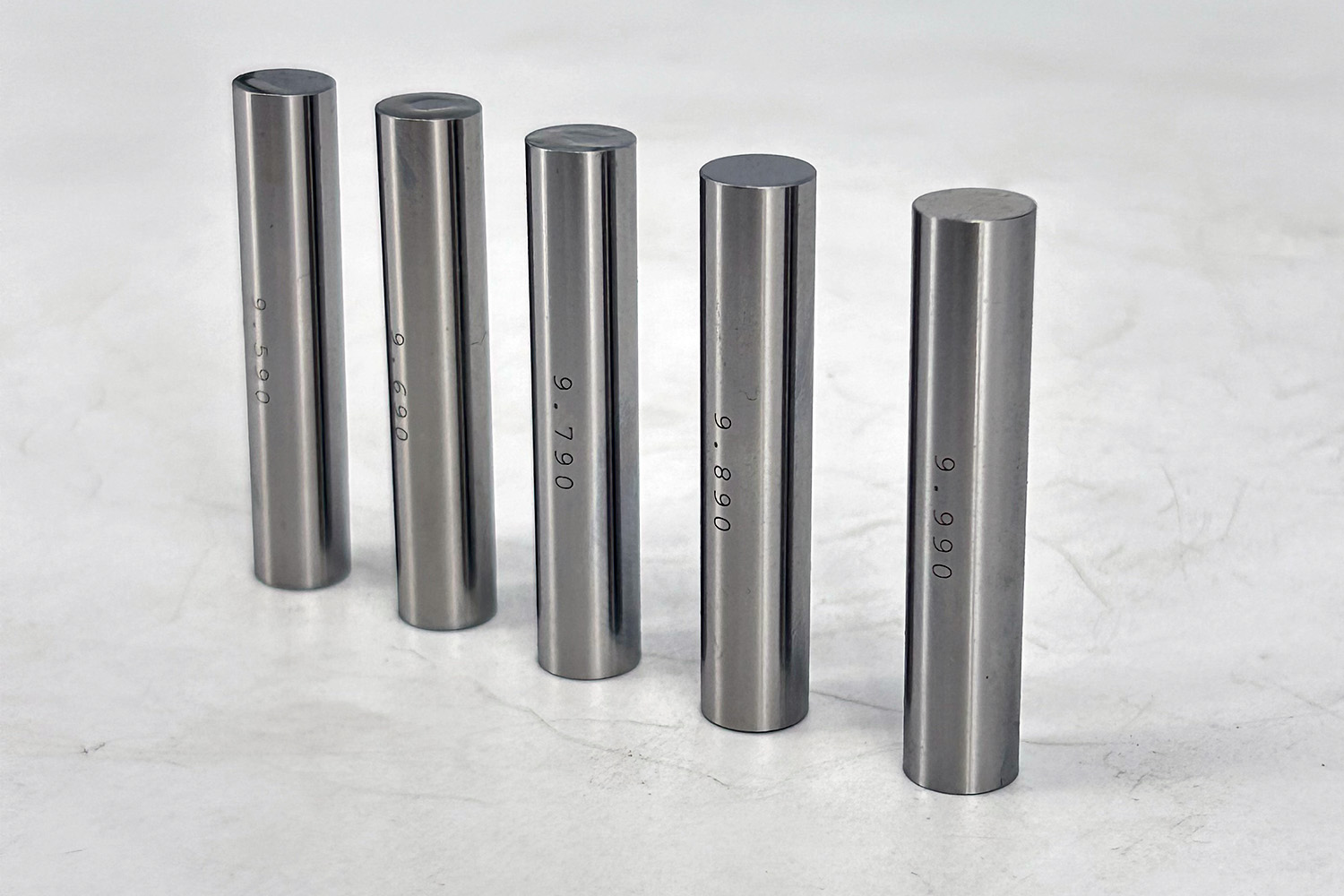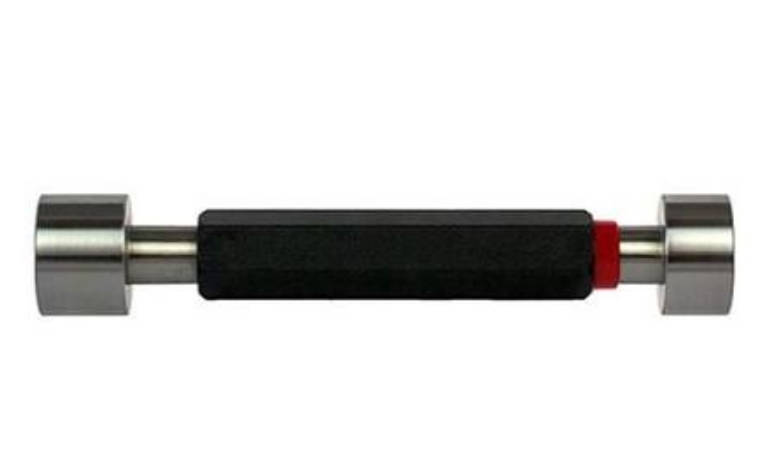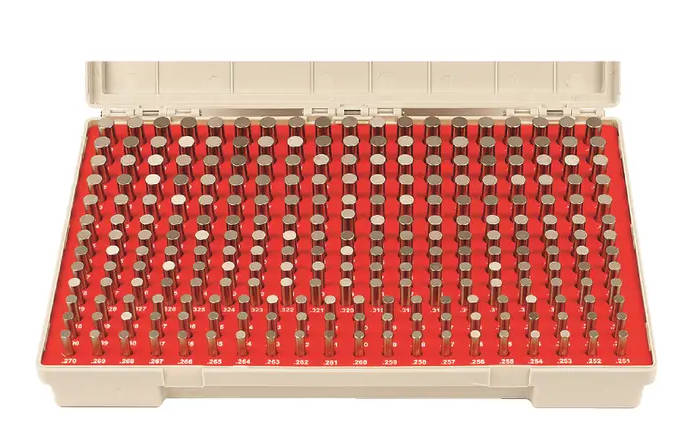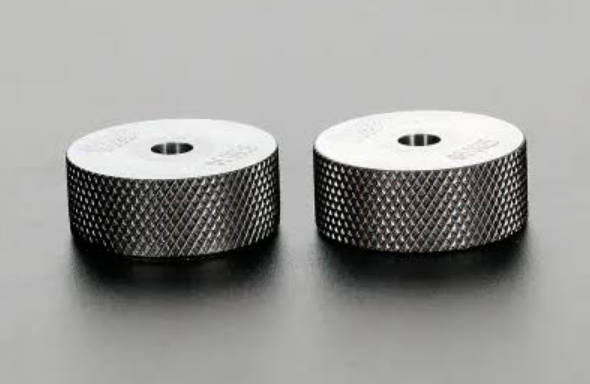
Pin gauges are suitable for measuring bore diameters, hole spacing and the minor diameter of internal threads in mechanical and electronic machining; they are particularly well-suited for measuring the width of bent grooves and mould dimensions. They are commonly used to verify positioning, measure hole sizes and check the distance between two holes. They can also serve as standard gauges for go/no-go testing and measuring hole depth, making them an indispensable tool in standardised hole inspection, particularly when used in conjunction with internationally advanced laser detectors to inspect workpieces. They are widely applied in various high-precision technical fields, including electronic boards, circuit boards, moulds, measuring instruments and precision machinery manufacturing.
Regular maintenance and calibration will help ensure the accuracy of your hole inspections and extend the service life of your pin gauges. Negligence may result in unreliable measurement results. Below, we will discuss some good habits you can adopt to maintain your pin gauges.
Correct Usage
We recommend that you use the pin gauge correctly. In most cases, improper use of the pin gauge may result in dimensional deviations or unreliable readings. The most common mistake made by users is applying excessive force during measurement. Applying excessive force to the pin gauge may damage the gauge and cause dimensional shifts. Most importantly, we recommend using a needle holder to operate the pin gauge. This prevents the temperature of your bare hands from affecting its accuracy.
Proper Storage
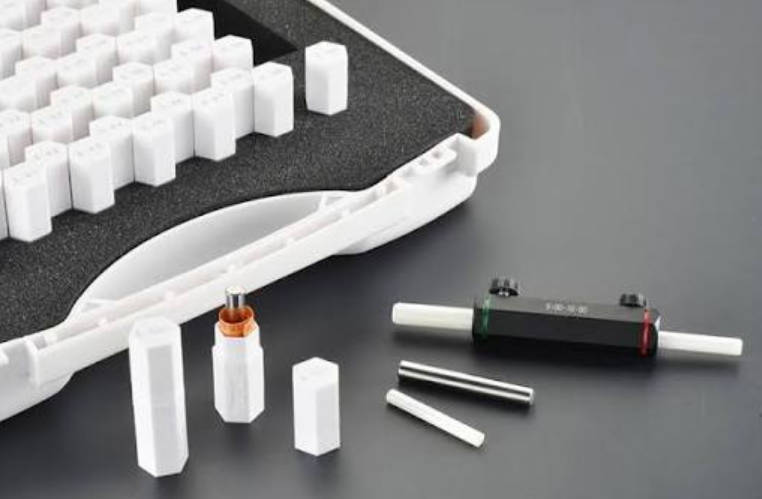
Storing your pin gauges correctly is another way to extend the tool’s service life. Ideally, you should avoid exposure to external environmental factors such as heat and humidity. Over time, these factors may affect the pin gauges. We recommend preparing a suitable container for your pin gauges. Eisen pin gauges are individually packaged in storage containers. This ensures that the gauges are stored in a cool, dry environment.
This is particularly important if you own a set of pin gauges. It is advisable to store them separately in small boxes. If the pin gauges are not kept apart, there is a risk of damage if they come into contact with one another.
Proper Maintenance
The correct way to keep pin gauges in good working order is to carry out regular maintenance. To ensure the accuracy of the pin gauges, maintenance should be performed to verify that all components meet the required accuracy grade. For example, during maintenance, it is necessary to check for dust, debris and oil. These factors may cause the gauges to corrode.
Proper Calibration
Regular calibration is the best way to verify the accuracy of the gauges. Most manufacturers recommend calibration once a year. However, we believe that the calibration of pin gauges should depend on the frequency of use. The higher the frequency of use, the greater the likelihood of damage due to wear and tear. Therefore, pin gauges that are used frequently are best calibrated several times a year.
Would you like to find out more about pin gauges and how they can benefit you? Please contact us immediately for expert advice!